Hi. I am a now 35 year old student entering my final year of an MSc in Sustainability and my background is in physics having a BSc in Physics. In physics i would class myself as a theoretical physicist concerned with the underlying physical and mathematical theory of the universe and i am attempting to bring this approach to sustainability. I like the broadest of research and the most fundamentals of knowledge in a subject in order to understand and describe it as fully and completely as possible. Specialisation in a field is not my preferred type of research so i am hoping to study the bigger picture of sustainability which is such a transdisciplinary approach combining philosophy, psychology, sociology, economics, politics and environmental science which could be described under the umbrella of the emerging field of global systems science.
Essentially, i would like to determine a plan of action or at least identify some novel approaches of fixing our global systems to avoid further destruction and prevent as much human suffering as possible and even save humanity from extinction. So the content i upload is often work from my degree and thus constrained by word limits and the brief set, but i do also upload academically unsubmitted content.
I am now (November 2020) beginning the process of forming my 16,000 word dissertation research idea, proposal and question where i would like to talk as broadly as possible, covering a large swathe of global systems science topics. Ideally this would form as close to a comprehensive strategy to transform our existing civilization into a sustainable, resilient and adaptive global system to deal with the challenges of climate change and the inherent dangers we pose to ourselves by our actions on this planet. This is a big stretch within such a small word limit and gaining the approval of my lecturers and future supervisor to examine these topics as broadly as i would like, but also for the thesis to be deemed a viable research document, will be a bar i set very high for myself.
Ultimately i know it’s not possible to provide a detailed global strategy within such a dissertation and it would be more fitting of a PhD degree to aim for such great feats. This is why i am considering a global ethics PhD for 2022 as many of these strategies are difficult to manage without ethical considerations and is in part why climate change and transforming civilization are deemed “wicked problems” because of the great deal of subjectivity and philosophical concerns within them. But i still work on such problems outside of my masters degree and do hope to arrive at more detailed, useful solutions before i finish the MSc and/or PhD (should i be clever enough to achieve enrolment on such a study programme).
I am aware of the desperate need for solutions to be provided soon as this emergency is appearing to require a crisis management approach if we are looking at an accelerated or abrupt climate change timeline. Also, i prefer a certain degree of anonymity but i do have a twitter page and may provide a personal email address for correspondence if anyone has any questions or input.
Ecosystems are dependent on the atmosphere to maintain a delicate balance of weather and variable climate conditions to thrive (Frank et al.,2015). Climate change (CC) is causing more extreme deviations from previously recorded weather patterns and this is creating instabilities in a wide variety of ecosystems and their accompanying biospheres (Frank et al.,2015). These hypothesised tipping points in globally interconnected ecological systems (Image 1), which if a threshold is crossed, could irreversibly devastate not just single ecosystems but negatively impact other connected ecosystems (Lenton et al.,2019).
The main contributors to anthropogenic climate change (CC) are the greenhouse gas (GHG) emissions of carbon dioxide (CO2), methane, nitrous oxide and several classes of synthetic halogenated compounds which are substances that contain a halogen element in their structure such as fluorine, chlorine, bromine, iodine, or astatine. Within the halogenated gases class are an array of chemicals that possess the highest global warming potential (GWP) of any other known substances. Chlorofluorocarbons (CFC’s) and hydrochlorofluorocarbons (HCFC’s) have relatively low GWP values but are largely no longer used in industrial manufacturing due to their high ozone depleting potentials (ODP’s) thus them being phased out for use as mandated by the Montreal Protocol (MP) (Norman, DeCanio & Fan,2008). Other classes of halogenated gases include hydrofluorocarbons (HFC’s), perfluorocarbons (PFC’s), hydrofluoroolefins (HFO’s) and other potent GHG compounds such as sulphur hexafluoride (SF6) and Nitrogen trifluoride (NF3). These classes all belong to a separate class of halogenated compounds which do not contain chlorine but do contain fluorine and are defined as fluorinated gases, or F-gases for shorthand (Sovacool et al.,2021).
An important distinction between most F-gases and other GHG’s is that most of their emissions are fugitive emissions (meaning they escape or leak from their intended use), whereas most other GHG emissions are produced because of direct human activities (EPA,2014). GHG emissions which are by-products of human activities mean it could be possible to stop or drastically reduce them, such as fossil fuel burning and ruminant cattle farming. There is also potential to remove more CO2 from the atmosphere by reinforcing carbon sink capacities or removal using direct carbon capture technologies (Marcucci, Kypreos & Panos,2017). This distinction sets F-gases apart from other GHGs because their emissions are largely a waste product of industrial, commercial, agricultural, and domestic uses of the gases themselves, and once they are released into the atmosphere there is currently no means of extracting them.
Evidence, Analysis and Argument:
The biosphere and atmosphere interaction:
Human activities in rainforest ecosystems in the agriculture, forestry and other land use (AFOLU) sector contribute to the reduction of the global ecosystem services it provides (Roman-Cuesta et al.,2016). Many activities cause deforestation of the Amazon rainforest, such as logging, livestock farming, mining, oil drilling, and soy plantations. The global land carbon sink strength is a measure of the mitigation capacity of anthropogenic carbon emissions, which currently equates to approximately 30% (Duffy et al.,2021). Climate change also effects the land carbon strength capacity since global photosynthesis and respiration metabolic rates are temperature dependent and there are narrow optimum values for temperature ranges for photosynthetic ecosystems (Ma et al.,2017). Images 2 and 3 show that as temperatures increase, photosynthesis rates decline, and respiration rates increase for both C3 and C4 plants (most rainforest plants are C3 type with grasses and corn being C4 type plants for example). This has been modelled by the macromolecular rate theory which is based on variations in enzyme catalyzed processes such as the Krebs cycle or cytochrome pathways in leaf respiration (Liang et al.,2018).
Image 2: Photosynthesis and respiration rates of C3 and C4 plants versus temperature. (Source: Duffy et al.,2021)
Image 3: The temperature dependence of the terrestrial carbon sink (blue line) with photosynthesis of c3/c4 plants integrated as the green dashed curve and red dashed dotted line showing increasing respiration rates. Current climate ranges lie within the grey shaded box. (Source: Duffy et al.,2021)
This climate regulation service is predominantly provided by rainforests of the globe with the tropical rainforests of the Amazon accounting for ~50% of rainforests in the world (Qin et al, 2021). Degradation of the Amazon rainforest such as forest dieback from drought and natural wildfires accounts for 73% of the loss of aboveground biomass (Qin et al.,2021) and contributes significantly to the potential of the ecosystem switching from a carbon sink into a net carbon source (Covey et al, 2021). Amazon rainforest tipping points are estimated to occur at 4°C temperature rise and deforestation of 40% of forest area (Nobre et al.,2016).
Atmospheric water vapor (H2O) is the largest contributor to the natural greenhouse effect as it is a GHG with around two or three times a greater contribution to the greenhouse effect relative to CO2 (IPCC 5AR WG1,2013). It is not considered as an anthropogenic gas but instead as a feedback agent partly because it resides in the troposphere for around 10 days before it condenses and falls as precipitation. The amount of H2O in the air is predominantly temperature dependent and with every extra degree of increase in atmospheric air temperature, there is a 7% increase in retention capacity in the atmosphere to hold H2O (IPCC 5AR WG1,2013). Other greenhouse gases such as CO2 effect the H2O content of the atmosphere as it’s presence is required to hold it in the atmosphere (IPCC 5AR WG1,2013). This process and the interaction of temperature and H2O is shown in image 4.
Image 4: The water cycle and it’s role in the greenhouse effect. The top left panel shows increases in atmospheric water vapour with increasing temperature. (Source: IPCC 5AR WG1,2013)
F-gases – Their management and emissions:
Existing global agreements to manage halogenated gases include the MP and it’s most recent amendment, the 2016 Kigali Accord (KA); the Kyoto Protocol; and the nationally determined emissions reduction pledges of the 2015 Paris Agreement. F-gas emissions are growing at a faster rate than any other class of GHG’s, especially in developing countries (EIB,2016). It is stated that sustained and comprehensive interventions are required to curb the uncontrolled growth of F-gas emissions or they could undo the progress of existing climate governance policies (Höglund-Isaksson et al.,2017).
The use of F-gases is growing at an aggressive rate which is expected to accelerate faster than economic growth rates (Durkee,2006). There are three main drivers of this acceleration (Sovacool et al.,2021) which are (1.) unanticipated effects of the MP, (2.) growth in the global demand for cooling, and (3.) loopholes in existing commitments.
The switch from high ODP substances to other chemicals such as HFC’s and PFC’s was mandated by the MP. The climate benefits of ozone protection could be significantly offset by the projected emissions of HFC’s over the next decades (WMO,2014).
Without mitigation actions, the growing demand for cooling and refrigeration from the growth of the middle classes in developing nations such as China and India, is projected to increase the consumption and resultant global emissions of HFC’s (Congressional Research Service,2020).
The KA addresses the growth of HFC’s but does not include phasing out of other classes of halogenated gases and does not address emissions from ‘banks’ of halogenated gases (UNEP,2019). It commits to reduce HFC consumption and production by 80-85% by the late 2040’s and there are exemptions for countries with high ambient temperatures (Roberts,2017).
Present day emissions of HFC’s represent just 1% of global GHG emissions but if left unabated their growth could reach 19% of GHG emissions by 2050 (EIB,2016). Global adherence with the KA is expected to remove 61% of global baseline HFC emissions over the period 2018-2050 (Höglund-Isaksson et al.,2017). Investing in energy efficient refrigeration and air conditioning (AC) could possibly double this mitigation through the reduction of other GHG emissions produced by electricity consumption (Shah et al.,2015).
F-gas uses and applications:
The uses of F-gases are replete within human society. Their applications are numerous ranging from industrial, commercial, domestic and medical uses. Modern civilization’s sociotechnical systems dependence on these synthetic and potent GHG’s represents potentially the most critical, yet poorly understood sociotechnical system related to CC (Sovacool et al.,2021). Image 5 illustrates the complexity of F-gas uses which are multi scalar and multi temporal in scope.
Image 5: F-gases as a sociotechnical framework (Source: Sovacool et al,2021)
Comprehensive studies of F-gas uses by humanity demonstrate no less than 21 categories of their emissions sources (Sovacool et al.2021; Harnisch, Stobbe & de Jager,2001). Appendix I provides a detailed breakdown of their numerous uses.
These include:
Air Conditioning – Stationary, Mobile, and Buildings. Heating, ventilation and air conditioning (HVAC)
Refrigeration
Materials – Plastics and Foams
Fire fighting – Fire extinguishers
Chemicals – Solvents and Aerosols
Non ferrous metal production and processing – Magnesium and Aluminium
Electronics – Semiconductors, LCD monitors and Screens, Circuit boards
Electrical equipment and Switchgear
Healthcare and medicine – Meter dosed inhalers
Fumigation and pest control – Methyl bromide
Double glazed and soundproof windows
Use in Commercial products – Automobile tires, sports shoes, tennis balls, apparel
Manufacture and use of renewable energy technologies – Solar panels, Wind turbines
Leakage detection
Atmospheric research and science
Military applications
By-product emissions of HCFC production
Miscellaneous Industrial products
Manufacturing and distribution losses
Disposal, banks, recycling
Destruction of F-gases
Image 6: Market shares of HFC consumption (Source: UNEP,2015)
The largest proportion of global usage of HFC’s is used for the refrigeration, air conditioning and heat pump sector (RACHP) at 86% of the GWP-weighted share of HFC consumption (Image 6) (UNEP,2015). This is in part why refrigerant management and the use of alternative refrigerants is hailed as the most impactful mitigation strategy against climate change (Hawken,2018).
Halogenated gases, the atmosphere and the terrestrial biosphere:
Current average global land temperatures are at around 1.2° C above the pre-industrial levels and are still rising (Hausfather,2020). The projected total emissions of halogenated gases alone could cause a temperature change of almost half a degree by 2100 (Forster & Joshi,2005) as shown in image 7. This temperature increase would come with effects on other processes such as increasing photorespiration and reducing photosynthesis of plants and increasing the feedback mechanism of increased H2O in the atmosphere via increased CO2 as well as increased temperature, which would cause yet more warming.
Image 7: The contribution of halogenated gas groups to the tropical cold-point temperature change since 1950 (Source: Forster & Joshi,2005)
This warming could be mitigated fully by widespread adoption of the KA (IGSD,2018) (Image 8), which is yet to be ratified by all nations, with the notable abstinence of the United States of America (USA). This is subject to change with the announcement by the Biden administration that the USA will ratify the treaty within the first one hundred days of his office commencement (The Whitehouse,2021).
Image 8: Expected temperature changes with business-as-usual or the Kigali amendment protocols adhered to (Source: IGSD,2018)
Conclusions:
Halogenated gas emissions pose a significant risk as severe forcing agents for CC and their proper management is required to minimise the risk of their global warming impacts. These could include pushing terrestrial biomes beyond tipping points which would reduce and potentially eliminate the vital ecosystem services they provide as a powerful carbon sink. The multifarious uses of F-gases in our sociotechnical systems demonstrate how embedded our reliance on these chemicals are for the functioning of modern society. The Kigali amendment is the most recent effort to curb F-gas emissions but is yet to be ratified and implemented by all nations. It has the potential to mitigate up to 0.5°C of global temperature rise by 2100 through the phaseout and control of F-gases, predominantly HFCs. Such a temperature rise could threaten the delicate balance of our most powerful carbon sinks in rainforests with the notable example of the Amazon rainforest providing the greatest contribution to global land carbon strength capacity. With increasing temperatures from climate change reducing photosynthesis and increasing respiration rates due to effects on enzyme catalyzed reactions, it is ever more important to make global changes to our greenhouse gas emissions to prevent forest degradation and prevent the possibility of carbon sinks from transforming into net carbon sources. The effects of increased greenhouse gas emissions creating further temperature rise increases the global warming effect of water vapor in the atmosphere and also acts as a positive feedback loop. Other sources of human activities that reduce the land carbon strength capacity of rainforests come from the AFOLU sector where significant damage has been done and continues to be done to the ecosystem services which they provide. Deforestation for logging and animal agriculture are particularly the main causes for land use change and more needs to be done to protect these vital ecosystems.
This literature review could be expanded to discuss potential mitigation actions to limit warming that would occur from continued use of F-gases and the potential for strengthening and accelerating phaseout restrictions as well as discussing implementation of tighter controls over black-market trading of these controlled substances.
The implications of continued use of F-gases and their direct global warming potential will see continued global temperature rises and deleterious impacts on terrestrial carbon sinks such as the Amazon rainforest. This could offset progress of future actions taken to reduce global warming which poses an existential threat to humanity and biospheres globally. Research gaps that have been identified by a recent systematic literature review (Sovacool et al.,2021) include the identification of a need for crosscutting solutions and the need for more work on F-gases in developing nations such as China especially. An exploration of synergies between F-gases and other systems such as energy, transport and metal-working may be useful in identifying potential solutions.
The refrigeration, air conditioning and heat pump has been identified as the sector most responsible for the existing and future expanded uses of HFCs. If resources were available it would be worthwhile focusing on exploring methods to reduce the need for these activities such as green buildings which use physical methods to control internal air temperatures such as external shading and internal insulation methods.
Covey, K. Soper, F. Pangala, S. Bernardino, A. Pagiliaro, Z. Basso, L. Cassol, H. Fearnside, P. Navarette, D. Novoa, S. Sawakuchi, H. Lovejoy, T. Marengo, J. Peres, C.A. Baillie, J. Bernasconi, P. Camargo, J. Freitas, C. Hoffman, B. Nardoto, G.B. Nobre, I. Mayorga, J. Mesquita, R. Pavan, S. Pinto, F. Rocha, F. de Assis Mello, R. Thualt, A. Bahl, A.A. Elmore, A. (2021) Carbon and Beyond: The Biogeochemistry of Climate in a Rapidly Changing Amazon. Frontiers in Forests and Global Change, 4:618401 doi: 10.3389/ffgc.2021.618401
Duffy, K.A. Schwalm, C.R. Arcus, V.L. Koch, G.W. Liand, L.L. Schipper, L.A. (2021) How close are we to the temperature tipping point of the terrestrial biosphere? Sci. Adv. Vol 7: eeay1052
Durkee, J. (2006) Chapter 2 – US and global environmental regulations, management of industrial cleaning technology and processes. Elsevier Science p 43-98 Available at: https://doi.org/10.1016/B978-008044888-6/50016-8
Forster, P.M. De F. Manoj, J. (2005)THE ROLE OF HALOCARBONS IN THE CLIMATE CHANGE
OF THE TROPOSPHERE AND STRATOSPHERE. Climatic Change, Vol 71: 249-266
Frank, D. Reichstein, M. Bahn, M. Thonicke, K. Frank, D. Mahecha, M.D. Smith, P. Van der Velde, M. Vicca, S. Babst, F. Beer, C. Buchmann, N. Canadell, J.G. Ciais, P. Cramer, W. Ibrom, A. Miglietta, F. Poulter, B. Rammig, A. Seneviratne, S.I. Walz, A. Wattenback, M. Zavala, M.A. Zscheischler, J. (2015) Effects of climate extremes on the terrestrial carbon cycle: concepts, processes and potential future impacts. Global Change Biology Vol 21. 2861-2880
Hawken, P. (2018) Drawdown The most comprehensive plan ever proposed to reverse global warming. Penguin Books, Great Britain 2018
Höglund-Isaksson, L. Purohit, P. Amann, M. Bertok, I. Rafaj, P. Schöpp, W. Borken-Kleefeld, J. (2017) Cost estimates of the Kigali Amendment to phase-down hydrofluorocarbons. Environmental Science and Policy, Vol 75: 138-147
IPCC 5AR WG1. (2013) Myhre, G., D. Shindell, F.-M. Bréon, W. Collins, J. Fuglestvedt, J. Huang, D. Koch, J.-F. Lamarque, D. Lee, B. Mendoza, T. Nakajima, A. Robock, G. Stephens, T. Takemura and H. Zhang, 2013: Anthropogenic and Natural Radiative Forcing. In: Climate Change 2013: The Physical Science Basis. Contribution of Working Group I to the Fifth Assessment Report of the Intergovernmental Panel on Climate Change [Stocker, T.F., D. Qin, G.‐K. Plattner, M. Tignor, S.K. Allen, J. Boschung, A. Nauels, Y. Xia, V. Bex and P.M. Midgley (eds.)]. Cambridge University Press, Cambridge, United Kingdom and New York, NY, USA .Page 666
Lenton, T.M. Rockstrom, J. Gaffney, O. Rahmstorf, S. Richardson, K. Steffen, W. Schellnuber, J. (2019) Cimate tipping points – too risky to bet against. Nature Vol. 575 Comment pp. 592-595
Liang, L.L. Arcus, V.L. Heskel, M.A. O’Sullivan, O.S. Weerasinghe, L.K. Creek, D. Egerton, J.J.G. Tjoelker, M.G. Atkin, O.K. Schipper, L.A. (2018) Macromolecular rate theory (MMRT) provides a thermodynamics rationale to underpin the convergent temperature response in plant leaf respiration. Glob. Change. Biol. Vol 24: 1538-1547
Ma, S. Osuna, J.L. Verfaille, J. Baldocchi, D.D. (2017) Photosynthetic responses to temperature across leaf-canopy-ecosystem scales: a 15-year study in a California oak-grass savanna. Photosynth Res. Vol 132: 277 -291
Marcucci, A. Kypreos, S. Panos, E. (2017) The road to achieving the long-term Paris targets: energy transition and the role of direct air capture. Climate Change Vol. 144 p.181-193
Nobre, C.A. Sampaio, G. Borma, L.S. Castilla-Rubio, J.C. Silva, J.S. Cardoso, M. (2016) Land-yse and climate change risks in the Amazon and the need of a novel sustainable development paradigm. PNAS Vol. 113 no. 39 10759-10768
Norman, C.S. DeCanio, S.J. Fan, L. (2008) The Montreal Protocol at 20:Ongoing opportunities for integration with climate protection. Global Environmental Change Part A: Human & Policy Dimensions Vol. 18(2) p.330-341
Qin, Y. Xiao, X. Wigneron, J-P, Ciais, P. Brandt, M. Fan, L. Li, X. Crowell, S. Wu, X. Doughty, R. Zhang, Y. Liu, G. Sitch, S. Moore III, B. (2021) Carbon loss from forest degradation exceeds that from deforestation in the Brazilian Amazon. Nature Climate Change, Vol 11: 442-448
Roberts, M.W. (2017) Finishing the job: The Montreal Protocol moves to phase down hydrofluorocarbons Review of European, comparative & international environmental law, Vol.26 (3), p.220-230
Roman-Cuesta. R.M. Rufino, M.C. Herold, M. Butterbach-Bahl, K. Rosenstock, T.S. Herrero, M. Ogle, S. Li, C. Poulter, B. Verchot, L. Martius, C. Stuiver, J. de Bruin, S. (2016) Hotpots of gross emissions form the land use sector: patterns, uncertainties, and leading emission sources for the period 2000-2005 in the tropics. Biogeosciences Vol. 13 4253-4269
Sovacool, B.K. Griffiths, S. Kim, J.Bazilian, M. (2021) Climate change and industrial F-gases: A critical and systematic review of developments, sociotechnical systems and policy options for reducing synthetic greenhouse gas emissions. Renewable and Sustainable Energy Reviews, 141: 110759
WMO (2014) (World Meteorological Organization), Assessment for Decision-Makers: Scientific Assessment of Ozone Depletion: 2014, 88 pp., Global Ozone Research and Monitoring Project—Report No. 56, Geneva, Switzerland
Appendix I: Halogenated gases by usage category, specific uses and application types. (Source: adapted from Sovacool et al.,2021, Harnisch, Stobbe & de Jager,2001)
Halogenated gas emissions source category
Subcategories and specific uses of halogenated gases
Halogenated gas Classes and applications in uses
Air Conditioning
Stationary – Space cooling Buildings – Heating, ventilation and air conditioning (HVAC) – Direct and reversible heat pumps Centralised systems Secondary chillers – eg. Basement operated and distributed cooling Mobile – Cars, trucks, busses, railroad, aircraft
HFCs & PFCs +(Refrigerants)
Refrigeration
Domestic Small commercial Supermarket Cold storage and food processing Industrial Refrigerated transport – reefer ships, containers, railcars, road – transport refrigerated units (TRU’s)
HFCs & PFCs +(Refrigerants)
Materials
Plastics and Foams: Polyurethane – Rigid: Automotive parts, Insulation (including for refrigerators and freezers), Varnish. Flexible: Tubing – pipes and hoses Integral skin: Shoe soles, Furniture cushions and padding Extruded polystyrene – Underlay, insulation, packaging Polyolefins: Polypropylene – packaging, plastic bags Polyethylene – foam mats Polyisocyanurate – insulation Phenolic foams – insulation (fire resistant)
HFCs +(blowing agents)
Firefighting
Fixed flooding systems – sensitive systems like computer and telecommunications servers, military and security applications Portable
Manufacture and testing of gas insulated switchgear (GIS), leakage from maintenance, operation and malfunction of GIS, Bushings, gas-insulated lines, high voltage and vacuum circuit breakers, ring main units, high voltage outdoor instrument transformers
Agricultural fumigation – biocide for soils Treatment of wood, structures and durable commodities – eliminate pests and rodents Disinfecting of perishable goods – preserve for transport, avoid transfer of pests for exports/imports
Air exchange measurements in architecture or building design Testing piping systems, test integrity of vacuum apparatus Precision localization of leaks in water-bearing pipes of district heating systems
SF6+(tracer gas)
Atmospheric research and science
Air current and GHG diffusion measurements Chemical tracer to detect cold air currents Environmental meteorology – air movements, distribution of odours or vapours in low wind situations Atmospheric measurement of methane emission by cattle Measuring impact of nuclear weapon explosions X-ray material testing X-ray linear accelerator for medical therapy Electron microscopes
SF6+(tracer gas)
Military applications
Refrigeration in nuclear submarines and other confined spaces Wind supersonic channels Insulation of airborne warning and control system (AWACS) radar domes
Production of polymers, solvents, pharmaceuticals (Ibuprofen), paper production, heavy duty anti corrosive and adhesive, motorway parking paint, automotive belts and hoses, gaskets, rafts and rescue boats, armour, helmets, containers for dangerous good, protective clothing, generation of high-grade graphite for graphitisation
The most interesting thing i find here is the neo-distributism component on the sustainable circular civilization pathway. This is where we form a club model of nations and nation states that share many of their natural resources freely such as plentiful water or relatively warmer winter weather amongst a populous which is managed in an ego-ethical framework to cooperate and live within our planetary budget. I hope to be studying this in more depth in late 2022 once I have completed an MSc in sustainability hopefully by June 2022.
An idea on transforming currency, wealth and how to fund the ego-ethical neo-ditributist model to create a sustainable future:
68% existing wealth is TRANSPOSED into ecounits via a steadily increasing inflation rate on existing currencies until it’s worth is devalued into non existence. Requires investment into environmentally friendly profit making business models.
14% existing cash is TRANSFORMED into sustainable capitalist credits for uses such as air miles.
13% existing wealth is TAXED to be used for purposes of a neo-distributist ego-ethical model framework where nations and nation states pool natural resources and new infrastructure is built using this tax amongst the member states.
5% existing wealth is RETAINED as it is in it’s natural currency.
[These are notes from a short course on global ethics. It introduces some issues about the philosophy of inequality, identity, immigration and climate change. It highlights how the philosophy of global ethics can be used to discuss the ethical issues with sustainability and climate change]
Global ethics:
the duties we have to save lives or prevent suffering
the responsibilities people have for causing some of these problems, and thus for putting them right
everyone having certain basic rights to subsistence or to live without fear of death
the bad consequences for humankind of contributing to continuing climate change
what any decent, moral, virtuous person would do, within their power, to address these issues.
Issues and problems in global ethics are ones that arise from interactions between individuals, communities, states or institutions across the world, and can only be addressed if individuals, communities, states or institutions across the world act together.
1. For all to develop a greater individual self determination; and greater understanding, tolerance and variety of responses to situations and people around us; which are all essential for our ability to interact and respond effectively throughout our lives. Cybernetics is the science of control and communication. The first law of cybernetics (Ashby’s law or the law of requisite variety) states that “The unit within the system with the most behavioural responses available to it controls the system”. Therefore global ethics knowledge and understanding is particularly important for those that “control” the system such as national leaders, governments, secret service intelligence agencies, business leader, the most wealthy, academics, religious leaders and the media.
2. Overpopulation, Rights of future generations and Climate Change.
3. Deontology states that we are morally obliged to do things. It has connections to
Kantianism: Rational beings have dignity and should be respected
Humanism: Emphasises the value and agency of humans individually and collectively. Favours critical thinking and evidence rather than dogma and superstition
On your last point i have a feeling that we might need to invoke a sort of ethical egoism where the needs of the many outweigh the needs of the few. Ethical egoism states that whatever maximises ones personal good is right, thus, to act that best further this end is one sole obligation. This is why philosophy is so subjective.
Sadism: Cruel and vicious behaviour. Humiliation and hurting others to assert dominance or for pleasure.
I know of this disparity and my initial thought was to think of why is it this way? I immediately think of immorality vs morality. Morality serves the needs of the many, is selfless, provides security and safety, is compassionate, honourable and is about survival. Immorality serves self interests and is governed by desire, greed, ego, common interests, fear, hatred and involves agendas.
This is true that philanthropy and charity from individuals can save the lives of many who are victim to their situations and circumstances. The existence of charitable foundations are vital to keep awareness of and limit these avoidable tragedies in humanity. I believe that prevention is better than cure and that efforts which address the underlying issues are more powerful than addressing the effects of global inequality but this does not preclude a need for their activities. A global change in how we operate as a civilization would require deep understanding, planning, communication and cooperation to resolve the many vagaries across the planet. This is where researchers and academics have the power to change the world to influence global leaders to take effective action.
I agree in the sense that my awareness of the issue has now been made from listening to the argument and i feel compelled to follow the logic and do what is suggested. But as humans we are fickle and easily forget ideas unless we form habits which if repeated daily for around 2 months can become lifelong habits research has shown. The word “should” is perhaps incorrect in the argument because as human beings we possess agency and perhaps the moral obligation would fall on international leaders to address these problems as opposed to single individuals making single contributions which is akin to plugging holes in a sinking ship or stamping out fires as they crop up. But those who are empathetic and compassionate will be more inspired by the argument to take on this moral responsibility but as humans we are not all as caring for one another as a species. Our western world is predominantly capitalist which drives competition to achieve our goals and some may think that buying the coffee helps them succeed personally and capitalism media promotes self interest so the media plays a part. I personally believe in global systemic change to correct injustices by addressing the root causes.
The argument is sound but it relies on many individuals hearing of these premises and using understanding and compassion to act on them. A more practical way of carrying out this aid would be for government agencies to subsidise their aid programs by deducting a donation of a workers wage and indicating this on their payslip. This would assume that national leaders have knowledge of these premises and enforced them by using logic to deduce that it is right that all those employed would also use logic to deduce that it is the correct action to take. Whilst this notion would be more efficacious it removes individual agency from employees to choose what they do with their wages and that in itself becomes a moral dilemma. But clearly there is a lesser of two evils here. But this type of action does not occur explicitly but instead many western governments do provide aid to impoverished nations which is funded by tax payer money. Have the government agencies a duty to increase funding if these problems are still going unresolved? Perhaps this idea of explicitly stating that a donation from people’s wages is going to international aid would be a constant reminder of our fortunate lives?
It seems a defeatist activity for individuals to provide aid that would be sufficient enough to prevent such tragedies from continuously reoccurring without western nations explicitly changing our modes of capitalist consumption and declaring that the nation is now acting in the best interests of the entire globe. This would include addressing the many actions our societies take which cause many vagaries of civilization such as slave labour, importing goods from countries that have poor human rights records, tax evasion and ultra rich tax havens. Individual actions may be better spent in tackling these issues and holding international leaders accountable for allowing our world to operate with such immoral practices.
Effective altruism is a philosophy and social movement that advocates using evidence and reasoning to determine the most effective ways to benefit others. Altruism refers to improving the lives of others—as opposed to egoism, which emphasizes only self-interest
I agree with the sentiment provided earlier in the comments that not only money can be used to solve such issues; the donation of providing awareness and our time could be just as if not more effective. I think that the global ethical issue of climate change is the perfect storm from which to resolve many problems with international inequalities whilst addressing the existential threat of extinction having changed our planet into a potentially uninhabitable place. From a systems perspective these issues are systemic and using knowledge, foresight, planning aswell as ethical reasoning seem a more effective form of effective altruism by addressing the root causes of systemic issues.
I agree with the utilitarian and Marxist ideal of the greatest wellbeing of the greatest number and to each according to their ability to other’s needs. In the example of climate change it is true that to completely eradicate poverty might not only require a total systemic rethink on capitalism or even socialism and communism. It might use so many resources if an ineffective resolution is deployed such that our efforts may require the use of a greenhouse gas emissions budget the world does not possess and by exceeding this budget it may result in climate change making humans extinct from the planet.
It is true that aid donations can save lives but do not our very national ideals of economic growth cause many of these problems directly and indirectly. Especially when it comes to the climate change example, it is the developed world that has acted for decades in a way such that we are beginning to potentially alter the environment irreversibly and it will be the developing nations less capable of mitigating the issue, adapting to the consequences and becoming resilient to its impacts. I would take the view that greater awareness of climate change issues can bring many more minds to the resolving the issue and preparing individuals to adapt to lifestyles that are more in line with a sustainable planet to avoid a threat which could create far more poverty, illness and death to developing world populations.
I think this is a good analogy for climate change that it is developed nations that have used developing nations to fulfill our capitalist consumption habits. The effects of climate change and a nations ability to cope with them is an inequality with the moral dilemma that developed nations must act to secure a livable world for all having the greater capacity to introduce mitigating measures. But then the greenhouse gas emissions required to mitigate climate change alone might leave very little in the carbon budget to then help developing nations that will suffer the consequences of climate change. The analogy here might be that developed nations as a gang have pushed developing nations into the pond but in doing this our arms and legs have become tied and leaving us unable to directly protect the developing nations and we can only give instruction from the sidelines on how to save themselves without risking our own lives to save them from drowning as we would drown also. A very depressing thought and many empathetic compassionate people will also find this issue of great distress. But we must be strong and take the action that we can to undo what we have thoughtlessly caused.
According to a deontological view, whether something is right or not, depends not on its consequences, but on the rights and duties of those involved. Deontology focuses on what we owe.
A positive duty is a duty to do something in particular, such as looking after your elderly parents. A negative duty is a duty not to do something.
There are many ways of pursuing this ideal of not harming those in the developed world such as not buying fast fashion, buy fair trade, sustainable goods, create a startup company supplying fairtraded and ethically produced clothing or become an employee of such a company. To have sufficient impact will probably require developed nations to secure the ability to provide it’s citizens with a large enough capacity of retail clothing that is produced ethically and without harm to others, whether they are in developed or undeveloped nations.
education and self education about these type of issues can help inform individuals who for some, will not only have awareness of the implications of their lifestyles but they may act to educate themselves further to attempt to rectify the many global injustices. Those who only do the former and become aware can be ready to accept, adjust to and push for ethical governance so that they no longer become disempowered citizens complicit with the global hierarchy of domination of the rich nations over the poor.
the notion of an obligatory payment enforced by governments would be more efficacious but it also removes individual agency from employees to choose what they do with their wages and that in itself becomes a moral dilemma. But clearly there is a lesser of two evils here. I believe that what will become the more pressing issues will be to systemically redesign the global models of trade and perhaps using an ego ethical perspective to solve the problem of climate change such that those who have the capacity to act should do so and in doing so, where possible, limit harm to those less capable of preventing harm from both corrupt trade deals and the consequences of climate change.
I think the individuals focus should be on learning about what actions they take in their lives are sustainable and unsustainable for the planet and what enables these to exist in our lives such as being produced or provided to us at the expense of other nations and individuals. Living more sustainable lifestyles is a good action for people to practice but we should also be made aware that our capitalist systems do not support us in living sustainably. Citizens are expected to work 40 hours a week and this leaves little time to eat and consume sustainably which exacerbates the issue because our lifestyles and work lives make us sicker from fast food after a long days work and we are less able to achieve actions of sustainable living. Knowing that it is the system itself which blocks us from being able to live healthier and happier lives with more freedom and time is key to creating a sustainable world and that we should push for modern lifestyles which are compatible with a sustainable society that is not based on working and consuming to excess but instead having the time to adopt self care practices and more community harmony in rebuilding our societies.
my concern from a sustainability perspective is that densely populated cities will require largescale interventions to make them sustainable and therefore their growth may pose an issue. we will require more than just green growth or even degrowth to resolve these issues and even migration from rural to urban environments such as in China and India puts a greater strain on energy and food consumption that was previously more sustainable in their rural regions. But rural regions tend to be more impoverished and this is a big motivator for people to move to the city. Global population growth itself is of most concern and conversely this could possibly be more easily dealt with in city regions with better health and education.
controlled borders are ethical in some sense because they can ensure that the people crossing them will have employment and a place to live once they arrive. Otherwise this may result in them becoming subject to poverty, homelessness and in some cases be in more danger than that which they have left or escaped from. Controlled borders not only protect the sovereignty of the country itself and the chaos that could be caused by open borders but can also protect immigrants from falling into a state of unsupported living. There is a case to be made that it is a necessary evil in some cases.
I would think that the utilitarian perspective for immigration does not suffice to take into account the multiple variables that are at work when considering the wellbeing of a collective and parts of a collective. Here I think deontology ascribes to the idea that the whole is greater than the sum of its parts, to quote aristotle. It is at the intersection or order and disorder. Perhaps in an ideal world where all countries had sustainable societies whose growth was kept under control and the adequate resources and services to maintain peace within it’s own borders and there were no tensions between nations, uncontrolled borders could work. But with the deep inequalities between countries across the world and even in neighbouring countries the consequences of open borders are too unpredictable and controlled borders can protect citizens from harm that could occur if immigration was not controlled.
This argument seems too simplistic to cover the wide range of issues associated with migration such as national sovereignty, identity, security and social quality of life. Existing open borders between countries tend to have sufficient commonalities among them such that migration between the countries is without much disruption to the economic, political or social order.
This puts into perspective the emphasis on the utilitarian argument taking into account the whole system by recognizing the betterment of the wellbeing of both nations or collectives in question subjected to the immigration request. An idea of interest to me is of flexible transnationality. With the consideration of the sustainability of aviation for tourism and moving between countries it is possible that unessential flights may be subject to steep restrictions to cut greenhouse gas emissions. To avert this outcome which would cut off large swathes of the world by making continents inaccessible to the majority of populations we could use superhighways outfitted with electric vehicle charging stations to cross borders through. This could be for seasonal nomadic movements of people to conserve energy for heating and cooling and conserve water. This might be the future for transnationality which if flexible can allow migrants to access the diversity of nations and cultures around the world.
In an ideal world i would say that the argument is convincing, but the world today is both more connected and fragmented than ever before. The increasing pressures of climate change create an urgency to safeguarding populations and to also address the likely issue of climate refugees. In the future even developed nations may find that they experience water stress and adverse climate conditions and weather events such that they will be unable to support new immigrants to their nations. The argument has merit if global sustainability is achieved but until then immigration will remain a contentious issue for most nations.
While utilitarianism is concerned only with the consequences of actions, deontology is concerned only with rights and duties.
yes i think the question of how a country controls its borders is a different ethical question. but having the actual right to control borders should be upheld and choose whether to and how it is done.
Professor David Miller, a political theorist at the University of Oxford, puts the point as follows:
The public culture of their country is something that people have an interest in controlling: they want to be able to shape the way that their nation develops, including the values that are contained in the public culture. They may not of course succeed: valued cultural features can be eroded by economic and other forces that evade political control. But they may certainly have good reason to try, and in particular to try to maintain cultural continuity over time, so that they can see themselves as the bearers of an identifiable cultural tradition that stretches backward historically. [1]
cultural preservation or the case of identity can be best described in some cases as nativist preservation. This is in part because of colonialism and true indigenous or natives of a region where the argument of cultural preservation can be made ambiguous by the question of who has the right to determine the true identity or culture a land should have. The nativist term brings into the perspective the idea that long established majorities in a region that have laid claim to a swathe of land as their own are upheld and respected as their right to defend their nativist identity and culture.
Yes, i find the argument of cultural preservation convincing when framed as a nativist identity concern. The fears of a majority being marginalized due to higher birth rates of immigrating individuals is an issue of concern to many which has become a dominating theme and headline in the news over recent years. Globally we also suffer from an overpopulation issue and i suspect that interventions to stabilise birth rates to limit energy and resource consumption as we transition to a sustainable planet, will be able to facilitate the type of cultural or nativist identity preservation that is of clear importance to many a nations’ people.
I answered the question that i do find the cultural preservation argument convincing. I base my judgements on the global events of recent history and my own view of the deeply embedded cultural values that are developed as we grow up surrounded by people with similar values. These gaps between cultural identities are perhaps too large to bridge which is why we see so much segregation of intercultural identities in cosmopolitan countries like the UK and the USA. This is not to say that intercultural mixing is not a viable population demographic makeup as we see successful integration of the majority of cultures in huge cosmopolitan cities like London. But i believe it is the fear of marginalization of nativist populations that fuels the issue due to differences in birth rates of immigrants and nativists. There is a statistic which claims that it takes just a 30% minority to sway the majority into a new regime whether it be about making a decision or changing the status quo. We see this figure of 30% ethnicity currently being approached or surpassed in some UK regions such as Birmingham.
1. Examples in history and recent events relating to cultural identity preservation have demonstrated a clear trend in the nature of the human condition which in many cases sees groups of different cultures as a threat to their own cultural identity. In the worst outcomes due to this issue we see inequalities, racial tensions and even genocide. To name a few, the Jewish oppression and holocaust by Nazi Germany; the uighyrs’ (who unsuccessfully claimed independence from China in 1949) oppression and subsequent treatment deemed by many international observers as genocide; the black lives matter movement in response to the inordinate number or police shootings of African Americans; the neo nazi movement which has resulted in mass shootings like the New Zealand Mosque tragedy, plus many more. Controlled borders can help prevent such atrocities.
2. Nativist cultures have demonstrated clear resistance to immigration once it goes beyond a certain point where it becomes noticeable that new cultures are emerging and are perhaps less able to integrate, which to some view as a dilution of their own culture. Some view it as enriching.
3. Yes
4. Most developed countries accept asylum seekers.
The argument concerns state benefits such as welfare payments, health insurance and public services.
Scandinavian countries, for example, have high taxation rates to fund significant state benefits. So, if they opened their borders, large numbers of people would soon settle there to take advantage of the benefits. But this is problematic for two reasons:
First, the arriving immigrants have not (yet) paid any tax, and so it is unfair for them to have access to state benefits.
Second, the arriving immigrants may flood the system, causing it to break down completely.
We can state the argument as follows.
In certain countries, significant state benefits are funded through high taxation.
If there were open borders, many people would immigrate to take advantage of these benefits.
This is a problem because:
The immigrants didn’t fund the benefits, so don’t have the right to access them.
Given the number of immigrants, the benefits system may break down, a seriously bad consequence for all.
Therefore, in such countries, controlled borders are ethical.
This is a sound argument and a genuine concern for the stability of the economy and treasury of any country with available state benefits. It shows why immigration, when controlled, can be a protective policy for a country’s best interests. But from the utilitarian perspective as previously mentioned, by selecting a higher proportion of skilled workers for immigration such as doctors and engineers this can negatively affect the countries from which immigrants are choosing to leave. So, the consequences of this argument effects both the individuals choice of country to immigrate to, as well as their country of origin depending upon their previous contribution to the labour force there.
This debate will become ever more important with the effects of the climate emergency creating more climate refugees in the future. All nations may suffer from climate change related weather changes, but they will all occur on different timelines. By accepting the immigration of large amounts of climate refugees early on it may become a more desperate situation when the country saving people from the effects of climate change itself becomes threatened in its capacity to protect its population from climate change. It must be a decision based on long term projections and a focus must be made on adapting to, becoming resilient to, as well as mitigating climate change so that the arguments about taxation, state benefits and the rights to security and healthcare are well considered and a pragmatic approach with foresight is used.
Yes, i think controlled borders are a good measure to take because the inequalities of countries globally, especially during the unfolding climate crisis, allows a country to maintain its strength and ability to manage its society as well as protect countries that could suffer from emigrants causing a “brain drain” on their own country. With climate change occurring, requiring particularly developed countries with the greatest capacity to act, these countries must maintain their ability to protect not just their own citizens from the crisis but take actions to mitigate the dangers to countries less capable of adapting to climate change.
Greta lays out the real climate emergency in stark view of our inaction to prevent these outcomes. She critically evaluates the inadequacy of our political structures and defers to the scientists that are unequivocal in their assertions that anthropogenic climate change will have dire consequences to the planet by 2030 and this leaves very little time to act. The types of small-scale actions politicians and policy influencers are currently offering to resolve this issue are nowhere near strong enough to prevent a calamity of global proportion. Greta is absolutely right that it is the young who will not only suffer the worst consequences of inaction, but they are also unequipped and are unable to influence the direction of decision makers with a right to vote. The tone of her argument is not just about an injustice but also of the fear of not just the young, but that all should feel about this emergency and there has been a failing of the media and our institutions to convey this emergency clearly enough to move people to a call for adequate action. Her speech is moving because extinction of life on earth whilst possessing the agency to prevent it is a disparaging prospect we should attempt to avoid
Climate change affects not just ourselves but those who:
exist far away from each of us (spatial dispersion)
will exist a long time after us (temporal dispersion).
Who exactly is morally responsible? Particularly those who knew of the dangers and the science and were in a capacity to avert our course towards collapse, but ignored the issue because it was inconvenient for them at the time.
Do you and I have duties to future generations? I believe so yes, i believe that one purpose and meaning of life is to prevent suffering. Inaction on climate change would create untold suffering so it is our moral duty to prevent such suffering where possible.
Who should pay for climate change, and how much? Developed nations that have the greatest capacity to mitigate climate change should make the largest contributions especially since in most cases we became developed nations at the expense of not just future generations of undeveloped nations but also previous and existing populations through corrupt exploitation.
Should we care more about the continuation of humanity? We should care more about preventing the suffering of future humanity and this should mean allowing a continuation of humanity in a sustainable and controlled way.
What is presented is a very dystopian vision of the future which is not what it has to be like. In fact, i believe our existing societal structure is a dystopian one where people are uninformed, misinformed and forced into a labour market which, if living in a developed country, we become employees of a company which in most cases exploits us to generate massive profits for the shareholders and we work 40 hour work weeks and are encouraged to indulge in a consumerist society that makes us sick with high fat, sugar, salt and processed diets to cope with the suffocating reality of dealing with all the responsibilities that come with a modern lifestyle of supporting a family and keeping up with the Joneses. Life should be focussed around our wellbeing and the brain chemicals we generate from our actions such as serotonin by socialising and belonging to a community, oxytocin by being close to loved ones and dopamine by working towards progress for ourselves rather than basing our success on our progress in a company that rewards us with cash or power. My diet was plant based for 3 years.
I hope to focus my sustainability research on fluorinated gases such as cfc’s hcfc’s, pfc’s and other dangerous substances like sulfur hexafluoride which is the gas used at scale with the highest global warming potential. It is used in electric substations mainly as it is an inert gas that can prevent electrical arcing and subsequent fires and explosions. It, just like the fluorinated refrigerants, leaks from the technology that it is used in and it is lifted into the upper atmosphere via winds that mix these potent greenhouse gases and some of them have lifetimes of thousands of years. Compared to carbon dioxide and methane which have atmospheric lifetimes of a hundred of 12 years respectively, these gases have the potential to exacerbate climate change if left as strictly unregulated as they are now. The Montreal protocol and the later Kigali amendment to the protocol seeks to control these substances but a large contributor of these emissions, the USA, is as yet to sign and ratify the Kigali amendment. President Joe Biden has promised to sign the treaty within his first 100 days of office. But i still believe the measures do not go far enough and I am working on hopefully better solutions.
What would be the right or just way to distribute the burden of climate change mitigation and adaptation? Every nation and person has a duty to mitigate climate change and help their communities build resilience to and adapt to the future effects it will experience. This distribution between nations and individuals should be made according to their capacity to do so.
What, if any, are our obligations to future generations? NASA has in a recently published paper confirmed how much humans are responsible for climate change and it is with great certainty this is now widely accepted. We are responsible to minimise the suffering they may experience as a result from climate change and we may invoke the maxim of treat others in a way you expect to be treated. Therefore, we could use the perspective of being in the position of future generations and take their view that current day humanity should have acted as best it could to prevent their suffering.
NASA has now provided published evidence of how much humans are responsible for climate change. This was widely shared across recent media in April 2021. This comes after decades of attempts of scientists to convince people that this is indeed true which is the converse view in the climate dialectic of climate change deniers. Climate deniers still exist but with widespread information disseminated by respected organisations such as NASA that have studied this phenomena for decades, this should quell the misinformation about climate science.
David makes the valid point that climate science is a well-developed multidisciplinary science which requires the rigorous understanding of physics to determine the scientific bases for its conclusions. This pertains to the mitigation issue in relation to the effect of greenhouse gas emissions on the greenhouse effect which anthropogenic activities have exacerbated. What is less certain is how to adapt to these issues which requires other multidisciplinary sciences, especially the humanities and social science which are now coming together for climate change under the umbrella science of sustainability. The question of whether climate change is human caused is almost now completely resolved and evident that it is true that humans activities have caused this climate change as concluded by the recent paper from NASA in April 2021. Myself as a physicist by training and now a sustainability MSc student, i understand very well what David has said here and i can see that sustainability as a multidisciplinary subject is still in early stages of developing enough efficacy to deal with the issue.
The commons such as land and soil, waterways, oceans, the atmosphere, carbon sinks like rainforests are all vital to supporting not just local communities but can have global consequences for civilization. By my determination, i would say that the four most pressing issues for conservation are those of the atmosphere, stabilizing global population to meet the global carrying capacity, ensuring the environment protects the fertility of human beings such that safe reproduction is possible and the protection of ecosystems that support life and allow for agriculture. These are all interlinked systems that are at threat from a tragedy of the commons scenario such as polluting the land, air and sea which could lead to illness and reduced fertility aswell as remove these ecosystem services from supporting the population. Communities, if allowed, will act to support their families without thought about the longterm consequences for the capacity of the commons to support themselves in the long run and those of future generations. The ethical argument should fall on governing bodies to make necessary interventions to preserve the commons which is in the interest of everyone.
I take the view that the intergenerational responsibilities of addressing climate change are not as discrete as this argument describes but are much more interconnected because the process at some point is going to affect different generations at the same time if the path of inaction is taken. There is a blurring of the outcomes of the older generations and the younger which is being seen now as the voice of the youth expresses their fear and anger to older generations that have failed to act effectively to this threat. The idea of coercive institutions to protect the environment from climate change is perhaps better framed by an ecocide law where the polluter must pay and not only when they are charged by a community effected by the pollution, but the government should recognise these activities as harmful and automatically intervene to stop such activities. Polly Higgins was instrumental in developing an ecocide law framework, but this has yet to be adopted and it may prove vital to enforce a meaningful response to the dangers of humans using resources and ecosystems carelessly.
Yes, we have a moral obligation not just for future generations, but generations that exist now. The science is showing the potential for abrupt climate change if we do not take enough action now. This perhaps negates this argument about future generations, because in this argument, we are the future generations of this argument, perhaps for anyone younger than 75 years old. The changes that can occur in the climate can happen rapidly and from my study of the science i do believe it is possible that a transition from a relatively stable civilization to one which is dramatically negatively impacted by climate change can occur in as short a period as just five years. We owe it to ourselves to limit the suffering and mitigate, adapt to, become resilient to, and safeguard our populations from climate change. It is true that younger generations will be most affected since they will have to transition to a new operating structure of civilization with little experience of a former anthropocene era but also without knowledge of what the world was like prior to the communications technology revolution. Sacrifices are to be made by all but these mean different things to different generations.
The argument James makes is very valid in that global ethics possesses temporal dispersion. I would also take the view that the issue of climate change being framed as one of importance to future generations is somewhat misleading because the accelerating rate of change is also likely to effect not just future generations but also younger generations. I would argue that those under the age of 75 could be affected by climate change in many different ways but those who are younger will suffer from having to adapt to a world which older generations did not transition to earlier and enjoyed the comforts of not having to transform their lifestyles, even if these transformations may have in fact increased their quality of life. A view could be taken that these intergenerational inequalities have both valencies of younger generations benefitting from such transformations such that they won’t have to live the lifestyle of older generations which some perceive as being a better alternative to the transformations required, as well as older generations having missed out by not transforming to a society that in being sustainable, it serves the wellbeing of all generations.
This argument seems to be semantic and whether person A or person B are different people is irrelevant to the fact that both person A and person B have the same human rights. This is an argument with sound logic and it is true in stating that by adopting different policies such as for energy or climate policy would change the outcome of whether person A or B is born in the future.
Polluter pays principle: those who have done the polluting should pay. Why should polluters pay? Because they have caused the harms done to our climate.
Beneficiary pays principle: those who have benefited from past pollution should pay. Why? Even if they have not themselves caused the pollution, they have benefitted from harms done to our climate.
Ability to pay principle: those who can pay, who have sufficient funds, should pay. Why? Regardless of whether they have caused or benefitted from the harm done to the climate, they are most able to pay for climate change.
A mixed principle of all three does seem the most ethical and efficacious argument to determine how to fund the interventions for repairing damage done to ecosystems and to protect humanity from climate change. The precautionary principle is quoted by some as implying that the polluter should pay. This mixed attribution method for who should pay is more logical and ethical and should be incorporated into an updated precautionary principle. The precautionary principle’s main argument is that if there is a perceivable threat that we should not use the lack of full scientific data to assess the threat as a reason to delay action on such a threat.
I do believe this argument is at play within the current inaction on climate change. Those that are in power such as leaders of government and business are more often than not, those in their older years, with many aged over 70 years old, a past example being Donald Trump. Research into the future orientation of an individual show that people make decisions about their current actions with a future in mind that can be motivated by a persons hopes and fears. If an older person, who perceives their deaths as occurring in the not-too-distant future, they are more likely to care more about the present rather than the future as they see no future for themselves as they may die within a decade or less. It should be our duty to recognise this facet of the human condition and ensure that power is not concentrated in the hands of just the older generations who may be wiser but may also be more self-centred in their desires for a world that suits them. It is also noted that as people get older, they often become resistant to change. Another argument which is said to motivate a person’s actions is the question “what is in it for me?”. We should not underestimate the self-centred nature of humanity.
As a 35-year-old human being living in a developed nation that is perhaps more protected from the initial effects of climate change geographically, temporally and infrastructurally, I still feel a strong urgency for agency in tackling climate change. The idea of there being no “afterlife” is abhorrent to me. Not just because we then erase all of human history but we allow younger generations to fall into a despair of climate threats that if not addressed carefully could create social, political and economic collapses or tyranny. Also, we then do an injustice to all the struggles that our past ancestors have endured to live through incredibly tough periods without the luxuries we so take for granted such as central heating, medicine, knowledge about personal health and so much more. We owe it not to just ourselves, but also younger and future generations as well as past generations that will all, and have done so, made sacrifices to survive.
yes, i think we have ethical obligations to future generations but i also feel strongly that this question is becoming somewhat outdated because i think these future generations we speak of are essentially already here. Of course, there will still be people being born every day that will form this future generations contingent but the use of the term is misleading in making the case that it will only be those who have not yet been born that will be most negatively impacted by climate change. The negative impacts could be equally as bad for people already alive to those that are yet to be born. This distinction should be made in the intergenerational dialectic and the future generations argument should be used sparingly because just as the climate projections into the future of 2050 and 2100, it distorts the potential perception of the timescales of these events. I take the view, as a sustainability MSc student, that these future generations we should be talking about are already here and that this climate emergency is rapidly taking place before our very eyes. We owe it to ourselves and to future generations to change the course of our destiny as a civilization and avert suffering.
[Assignment from an open university short course called Global Ethics: An introduction. I passed. Hopefully along with a masters in sustainability will be my ticket onto a global ethics PhD]
This video shows that industrialised models of meat production are an environmental disaster now. If we try to expand meat production for an 8- or 9-billion-person population, it would become an unthinkable disaster. It makes the claim that humans have an over addiction to meat. This exacerbates climate change (CC) from the greenhouse gases (GHGs) industrial scale meat production creates. Meat consumption has quadrupled since the 1960s and we currently slaughter 3 billion animals per year for meat. To do this we use 70% of arable land for animal agriculture which is about one third of the total global land surface. To feed a population of 8 billion by 2024, or 9 billion people in 2050, using this production model is unfeasible because there wouldn’t be enough land, water or the atmospheric capacity to absorb the associated GHG emissions sustainably without causing dangerous climate damage.
Cultivating the crops for these concentrated animal feeding operations requires so much water that it is pushing water sources, such as the Ogallala aquifer, to dangerous lows. Farmers are struggling to even cultivate crops for human consumption by having to pump water from rapidly depleting ground water sources as the water table continues to plummet. Droughts in California in 2015 required 12 trillion gallons of water reservoirs to replenish the dangerously low water levels. The effects of water scarcity in Sao Paulo had caused riots. The deforestation of the Amazon is particularly dangerous since 70% of South America’s irrigation comes from the ecosystem services supplied by the Amazon.
I have chosen this example because our global water consumption and dietary consumption habits are unsustainable for a growing population in the current climate emergency.
There are several ethical challenges posed which are those of the tragedy of the commons such as water overconsumption; soil degradation from intensive farming; polluting the oceans from biogeochemical flows from excessive fertilizer use; atmospheric pollution by industrialized agriculture releasing inordinate amounts of GHG’s such as carbon dioxide (CO2); methane and nitrous oxide; the deforestation of our most vital carbon sinks for livestock pastures which previously captured and stored CO2 via photosynthesis; the externalities of these operations not being subject to a true-cost accounting such as buying corn silage below the cost of production which is subsidised by the water for production. These externalities pass the cost onto the public by creating the potential for future water and food insecurity. It is a short-term business model with no thought for the future.
Addressing these issues require governments, business, and consumers to make ethical choices and implement policies that are environment preserving. This would require a mixture of true-cost accounting business models, making the polluter pay, reducing our proportion of animal products in our diets, water conservation, reducing birth rates to prevent overpopulation and ultimately implementing a very strong mitigation, adaptation, and resilience strategy to prepare for climate change.
[elective essay, incomplete, without references, not much structure but useful]
In creating large food halls and food kitchens by converting retail parks, industrial estates and shopping centres and highstreets, we can incorporate places which not only provide healthy meals but also provide access to food and personal essential supplies for residential storage, use and consumption. These infrastructures with existing car parking could serve local communities that are nearby so walking and cycling to these hubs of essential services is possible with waiting areas outfitted with clean cooling and clean heating which could be built on existing car parking areas. Meals and supplies could also be made available with an electric vehicle drive -thru which could allow for provisions and deliveries made to a larger community from those that live farther away. A wide range of services can be provided at these community hubs such as health services and education which together, with the provision of plant-rich meals, this strategy can achieve the four top objectives of Project Drawdown (PD) which can potentially create the largest greenhouse gas (GHG) emissions reductions (Hawken,ref?). These are food waste; health and education (promotes lower birth rates and population size stabilization); plant-rich diets; and refrigerant management (RM) as shown in table 1.
A list of PD’s solutions which food hubs can facilitate their introduction into the design of our actions to mitigate, adapt to, and be resilient to CC are given in table 1. The associated CO2 equivalent GHG emissions reductions are given for each intervention as a range between two scenarios, with scenario 1 in line with a 2 degree C temperature rise by 2100 and scenario 2 in line with a 1.5 degree C rise by 2100. The implementation of food hubs with an integrated clean cold chains (CCC) and clean heating will allow society a greater likelihood of achieving the ambitious targets set by scenario 2. These figures are based on projected global emissions and therefore will differ significantly on the ecological, economic, political, and social context where they are introduced.
This strategy of centralizing food storage (particularly refrigerated goods), preparation, cooking and consumption increases the efficiency of various other systems in society. Alternative refrigerants such as ammonia and carbon dioxide (CO2) with low global warming potentials (GWPs) and which are not ozone depleting substances (ODSs) could be used in large cold stores for food to be cooked daily and to be supplied to citizens. To further enable the efficacy of centralised refrigeration, the use of new technologies which draw CO2 from the atmosphere could be used as a source of the refrigerant and not just lowering GHG emissions but also reducing the amount of CO2 in the atmosphere. The large scale of refrigeration and cooling for such an operation would be required to create a large enough impact to mitigate climate change (CC). A phrase used recently is that being alive at this time of human history gives people “front row seats” to such a remarkable, yet dangerous period where civilizations’ past actions have become so significant so as to alter the very planet we live on. These food hubs with clean cooled and heated waiting areas literally provide these very seats for humans to witness the unfolding events of human induced CC. With the terrifying consequences of inaction on CC, this large-scale intervention can provide safety for communities that engage the issue and build resilience to outcomes such as intermittent energy supply due to extreme weather events or decisions by national leaders to limit energy distribution so that its consumption is lowered to drastically reduce GHG emissions.
Table 1: A list of solutions given in PD which food hubs can facilitate their implementation and their corresponding GHG emissions reduction potentials given as Gigatons of CO2 equivalent reduction/sequestered. Source: (Hawken,ref?)
Solution
Grouping
Scenario 1~
Scenario 2~
Reduced Food waste
Food supply chain and lifecycle
87
95
Health and education
Population size and health
85
85
Plant-rich diets
Food supply chain and lifecycle
65
92
Refrigerant management
Food supply chain and lifecycle
58
58
Tropical-forest restoration
Land sinks
54
85
Onshore wind turbines
Energy supply and transport
47
148
Alternative refrigerants
Food supply chain and lifecycle
44
51
Utility-scale solar photovoltaics
Energy supply and transport
42
119
Improved clean cookstoves
Food supply chain and lifecycle
31
73
Distributed solar voltaics
Energy supply and transport
28
69
Silvopasture
Agriculture, forestry and other land use (AFOLU)
27
42
Peatland protection and rewetting
Land sinks
26
42
Tree plantations (on degraded land)
Land sinks
22
34
Temperate forest restoration
Land sinks
19
28
Concentrated solar power
Energy supply and transport
19
24
Insulation
Clean heating and buildings
17
19
Managed grazing
Agriculture, forestry and other land use (AFOLU)
16
26
Led lighting
Clean heating and buildings
16
18
Perennial staple crops
Agriculture, forestry and other land use (AFOLU)
15
31
Tree intercropping
Agriculture, forestry and other land use (AFOLU)
15
24
Regenerative annual cropping
Agriculture, forestry and other land use (AFOLU)
15
22
Conservation agriculture
Agriculture, forestry and other land use (AFOLU)
13
9
Abandoned farmland restoration
Agriculture, forestry and other land use (AFOLU)
12
20
Electric cars
Energy supply and transport
12
16
Multistrata agroforestry
Agriculture, forestry and other land use (AFOLU)
11
20
Offshore wind turbines
Energy supply and transport
10
11
Methane digesters
Agriculture, forestry and other land use (AFOLU)
10
6
Improved rice production
Agriculture, forestry and other land use (AFOLU)
9
14
Indigenous peoples’ forest tenure
Land sinks
9
13
Bamboo production
Land sinks
8
21
Alternative cement
Clean heating and buildings
8
16
Hybrid cars
Energy supply and transport
8
16
Carpooling
Energy supply and transport
8
4
Public transit
Energy supply and transport
8
23
District heating
Clean heating and buildings
6
10
Geothermal power
Clean heating and buildings
6
9
Forest protection
Land sinks
6
9
Recycling
Food supply chain and lifecycle
6
6
Biogas for cooking
Food supply chain and lifecycle
5
10
Efficient trucks
Food supply chain and lifecycle
5
10
Efficient ocean shipping
Food supply chain and lifecycle
4
6
High efficiency heat pumps
Clean heating and buildings
4
9
Perennial biomass production
Agriculture, forestry and other land use (AFOLU)
4
7
Solar hot water
Clean heating and buildings
4
14
Grassland protection
Land sinks
3
4
System of rice intensification
Agriculture, forestry and other land use (AFOLU)
3
4
Nuclear power
Energy supply and transport
3
3
Bicycle infrastructure
Energy supply and transport
3
7
Biomass power
Energy supply and transport
3
4
Nutrient management
Agriculture, forestry and other land use (AFOLU)
2
12
Biochar production
Agriculture, forestry and other land use (AFOLU)
2
4
Landfill methane capture
Food supply chain and lifecycle
2
-1.6
Composting
Food supply chain and lifecycle
2
3
Waste-to-energy
Clean heating and buildings
2
3
Small hydropower
Energy supply and transport
2
3
Walkable cities
Energy supply and transport
1
5
Sustainable intensification for smallholders
Agriculture, forestry and other land use (AFOLU)
1
1
Electric bicycles
Energy supply and transport
1
4
High speed rail
Energy supply and transport
1
4
Farm irrigation efficiency
Agriculture, forestry and other land use (AFOLU)
1
2
Recycled paper
Food supply chain and lifecycle
1
2
Telepresence
Energy supply and transport
1
4
Coastal wetland protection
Land sinks
1
1
Coastal wetland Restoration
Land sinks
1
1
Water distribution efficiency
Water conservation
1
1
Green and cool roofs
Clean heating and buildings
1
1
Electric trains
Energy supply and transport
0.1
0.65
Micro wind turbines
Energy supply and transport
0.09
0.13
Key: Yellow – Food supply chain and lifecycle. Grey – Population size and health. Green – Land sinks. Light Blue – Energy supply and transport. Pink – Agriculture, forestry and other land use (AFOLU). Red – Clean heating and buildings. Dark Blue – Water conservation.[cant find how to highlight in wordpress]
Taking the groupings of the solutions and noting similarities to some groupings we can define several strategy types with associated CO2 equivalent emissions savings as shown in table 2:
Table 2: The total carbon dioxide equivalent emissions reductions/sequestered by each main category from project drawdown
1.Refrigerant management and Alternative Refrigerants
102
109
2. Food supply chain and lifecycle
208
296
1. + 2. (Refrigerants + Food) =
310
405
3. Energy supply and transport
196
464
4. Agriculture, forestry and other land use (AFOLU)
152
240
5. Land sinks
149
387
4. + 5. (AFOLU + Land Sinks) =
301
627
6. Population (health and education)
85
85
7. Clean heating and buildings
64
99
The use of onshore wind turbines is number 6 in PD’s list of solutions. The rollout of turbines would be advantageous to supply electricity for the food hubs as well as utility scale photovoltaics on the roofs of these complexes. A more secure supply would be required such as connection to nuclear electricity supply or the new opportunities that small modular nuclear reactors present to the energy generation sector. Refrigeration is one of the few processes that society depends upon which requires a constant supply of electricity. Therefore, by centralizing its function in society and protecting it with secure energy sources we can reduce our dependency on decentralised refrigeration in supermarkets and homes. Food hubs with large food cold stores could order and store produce to be delivered daily such that food is not stored for long before it is used for cooking and consumption.
The introduction of clean cold chains (CCCs) removes steps from our existing cold chains and makes the stages of cooling more efficient and more environmentally friendly. New technologies have been developed and tested in the food transport sector such as the Dearman engine for transport refrigeration units (TRUs) that use liquid air (Liquid air energy network,2014). These CCCs make use of wasted heat energy from the regasification of liquefied natural gas (LNG) to create liquid nitrogen for use as a refrigerant in TRUs (Image 1). These clean TRUs have been tested for home delivery by UK supermarket chain Sainsburys (ref) and this type of use of waste energy is listed as number 44 and 57 of efficient trucks and for the use of waste heat in PD’s solution table, respectively.
Image 1: Recycling LNG waste cold to provide clean cold chain cooling Source: (Dearman,ref?)
The food by lifecycle across the supply chain is shown in image 2. The GHG emissions from all stages of the supply chain is shown for different foodstuffs as a summation of emissions from land use change for farming, farming itself, animal feed, processing, transport, retail, and packaging. The solutions relating to the food supply chain and lifecycle are highlighted in yellow in table 1. Land use change includes deforestation for farmland mainly for grazing cattle as well as non-farming purposes. The halting of these actions and instead changing our current use of these land carbon sinks are highlighted in table 1 as the green items in the list. Food hubs can act as a training centre and deploy teams in electric vehicles to carry out restoration and protection projects for land carbon sinks. Those stages of the farming process as analysed by PD of which food hubs can facilitate are highlighted in pink. Food hubs facilitate these processes of land use change and farming by reducing food waste and thus reducing the need for higher yields from the farming sector. This means farmers can maintain or reduce yields and focus on carrying out more sustainable farming practices.
Image 2: GHG emissions across the food supply chain. Source (ref?)
It has been found that the choice of animal feed can alter the GHG emissions from ruminants (Ref?) in the form of belching and flatulence. A recent discovery is that by incorporating a species of seaweed known as Asparagopis Toxifarmis into beef cattle feed can reduce cattle methane emissions by up to 90% (ref?). The food lifecycle stages of processing, transport, retail, and packaging shown in image 2 can be addressed by clean cold food hubs as well as the other stages of refrigeration, recycling, food cooking and food waste (which is the second highest impact PD solution, second to combined RM and alternative refrigerants). By ordering and selecting foods for specific, planned, plant-rich food meals in food halls this centralised storage and refrigeration would be more energy efficient and lower food waste and allow a full and complete recycling of packaging, which itself would be reduced. The packaging of food accounts for 5% of GHG emissions in the global food supply chain (Ref?). Food hubs, halls and kitchens could dramatically reduce this figure as well as allow for the complete recycling of packaging which reduces strain on household waste collection. They can also allow for a more complete composting of foodstuffs as employees that prepare foods and consumers put waste foodstuffs into onsite food waste bins. Retail food outlets would sell a lower quantity of stock which requires expensive and often unrecyclable packaging to target consumers. The introduction of food hubs for consumer procurement and onsite consumption adds a new step in the food supply chain which replaces part of the sector provided by large supermarket chains and lowers home food storage needs and thus wastage.
As opposed to supermarkets which have rows of refrigeration units, most commonly multiplex rack systems, the food hubs could stack refrigerators vertically along rows that staff can access when stock is requested for pickup or for use in the food kitchens. This vertical stacking is a more efficient use of space than supermarket refrigerators that are designed for consumer safety in mind. Alternatively large, refrigerated rooms with shelving to store stock would be more efficient than supermarket refrigerated display cases. This type of stock pickup process described could be similar to the click and collect style of ordering or by filling in a form by pencil and paper as a system like that used in retail outlets such as Argos in the UK.
Globally, in 2006, there were 530,000 supermarkets containing more than 546,000 metric tons of refrigerants. 60% of refrigeration in the commercial sector uses the multiplex rack system, 33% for condensing unit systems and 7% for standalone or self-contained refrigeration systems (Ref?). Multiplex rack systems consist of racks of multiple compressors typically in an operation room which are linked to multiple display cases in the sales area using extensive piping. Standalone systems integrate all refrigerating components within their structures which account for 32 million units worldwide and an additional 20.5 million vending machines (ref?). By using alternative modes of access to refrigerated goods we can limit the GHG emissions associated with the manufacture, sale and transport of refrigerators which cuts the embodied energy required for their production and sale and their subsequent energy usage once in operation. The refrigerator sector globally is made up of 25% commercial refrigeration in the developed world, 15 % of commercial refrigeration in the developing world and 60% other refrigeration and air conditioning. The idea of community cooling hubs could make use of the extensive alternative refrigerants powered cooling systems through ventilation ducts to cool waiting areas on hot days and other spaces such as onsite computer server rooms and internet cafes for example.
Another example of using waste-to-energy would use the incineration of high GWP refrigerants (>2500?) as we phase out their usage in supermarkets, residential settings and air conditioners used in offices as we switch to a higher proportion of workers working from home via telepresence. There is an estimated 5687 kT of ozone depleting substances as refrigerants globally with 3070 kT in non-article 5 countries of the Montreal Protocol (eg. The EU), 2617 kT from article 5 countries (eg. India) with China having 1,200 kT of ODS alone. The waste heat used to incinerate refrigerants could be incorporated into district heating alongside geothermal and biomass sources which alone could reduce GHG emissions estimated at a possible 6-10 Gigatons of CO2 equivalent reduction in PD. Food hubs could also have their own onsite district heating source for use throughout the complex on cold days and provide the surrounding community with district heating. Items highlighted in red in table 1 pertain to clean heating and building solutions. As households in an urban environment, we all share a water, gas and electricity supply, so why not share a heat supply also?
Clean heating can include the energy used for cooking and hot water for bathing and washing dishes and utensils. There is also the embodied energy of all our personal household items such as ovens, microwaves, dishwashers, food appliances (eg. Blenders and food processors) and the utensils used in preparation and eating food. If we as households did not require such a numerous number of items related to food to prepare, cook, consume, clean, and ultimately replace multiple times within a lifetime; a large amount of energy would be saved if we also take into account the energy that companies use to sell all these goods in retail outlets and the creation, packaging and transport of goods for consumers.
The idea of food hubs and the threat of residential intermittent energy supply will encourage the uptake of residential renewable sources of energy such as solar and small wind turbines. The uptake of electric vehicles for those who have the financial capital to invest in them could increase for homes that want to travel to food hubs, halls and kitchens as petrochemical reliant combustion engines are phased out. Incentives to remove refrigerants from residential settings (which would be ineffective for refrigeration of food in the eventuality of intermittent energy supply) could be created in the form of allowing removal of high GWP refrigerants from home appliances to be used in incineration, or the entire appliances taken in exchange for a reduced cost of installing residential renewables. If residents are healthy and fit enough to travel to nearby food hubs, halls and kitchens they could offer their combustion engine vehicles for exchange of reduced cost home renewables. These cars can be retrofitted into electric vehicles for a minority and the rest would likely be recycled and scrapped at a rate feasible for the operation capacity. The green initiatives associated with this type of urban living are described in PD and highlighted in table 1 as the light blue solutions.
Image 3: The food energy water nexus and the interdependencies between each sector
The food, energy, and water (FEW) nexus (shown in image 3) is embedded within the set of solutions given by PD and can be facilitated by the creation and use of food hubs, halls and kitchens. The solutions in table 1 highlighted in light blue and red are those pertaining most to energy whilst those highlighted in yellow, green, and pink pertain to food. The single items in grey and dark blue of education and health and water distribution efficiency, respectively, correspond to population size and water availability. Water conservation is inherent in many of these solutions as an indirect consequence of actions taken. Outside of these solutions there is a more direct way of water management which is by moving large numbers of people seasonally so that clean cooling and clean heating is also emphasised. The idea of clean cooling and clean heating is achieved directly with three multiplicative factors that are (1.) the reduction in the need for cooling/heating, (2.) increased efficiency and (3.) use low carbon electricity to supply these systems. These factors are multiplicative and not additive, so the larger the change in the initial variable of demand, the larger the carbon emissions reductions that are achieved. If people are moved seasonally from cold regions during winter times to locations with a warmer climate the demand for heating is reduced. The same is true for moving people with hot climates during summertime to cooler regions to reduce the demand for cooling. These strategies are both tied into water conservation because during a hot summer in warm climes the water stress is more of a threat. If there were minimalist nomads across our continents that travelled seasonally to spend 6 months at a time away from home and ferried across renewable electricity supplied superhighways in electric vehicles such as existing fleets of cars, buses and coaches or high-speed trains. The type of people most suited to this voluntary action are those with fewer ties to a region keeping them there such as jobs or dependent family members. Students are a good candidate since they can also study via distance learning for many courses and the UK has 2.38 million students as of 2019 (ref?). Moving millions of people across continents would require temporary homes for them to live in and adequate food supply. With the likelihood of having to end tourist aviation due to the high burden of GHG emissions this activity creates, there would be a very large stock of empty tourist resorts. If instead of the usual seasonal use of these during summer months they were inhabited by minimalist nomads during winter and then make use of large-scale food facilities and create food hubs, halls and kitchens in the regions we could support these temporary populations. By monitoring water availability of regions, we could calculate how many nomads any region could accept at any one time and adapt to changing circumstances in the event of unpredictable weather events like drought and severe storms by moving populations around via the superhighways.
Across the board, food hubs, halls and kitchens are a more efficient and effective system of dealing with the task of feeding a high-density population and communities via a complete integration of the water, energy food nexus to our solutions.
This table shows a matrix with 2main axes of the quaternary civilization core components of Power, The human condition, Planetary Boundaries and Adaptation/Communication/Governance VS the 4 primary constraints for life on earth which are the Atmosphere, Overpopulation, Fertility – genetic integrity – ability to reproduce safely, Agriculture and Ecosystems. The pieces of the puzzle are not all correctly aligned or in the correct columns as they should share a commonality among them, but it will do for now as a basic foundation to work from.
Universal fundamental Components:
Valency
Positive (+)
Negative (-)
Neutral (0)
Either/Or (+/-) / Balanced
Primary Colours of Light
Red
Blue
Green
White/No Light
Universe components
Time
Space
Energy
Matter
Universal forces (standard model)
Strong force
Weak force
Electromagnetic
Gravity
States of matter
Solid
Liquid
Gas
Plasma
Polarities
Positive
Negative
Neutral
Transitioning
Physical Properties
Rigid
Viscous
Diffuse
Continual igniting/extinguishing
Reactionary Properties
Fixed (Resistant)
Mutable (Adaptive)
Steady (Indifferent)
Cardinal (Reactive)
Occupation of space
Distributed/Permeated/Saturated
Stationary (imperceptible slow movement)
Mobile
Movement/Immobile
Number of units
Numerous
Singular
Multiple
Increasing/Decreasing
State of spread or replication (information or microbial/plant/animal)
Ecclesiastical – Faith based principles and cohesion
Commodities
Wealth
Capital
Resources
Profit, gain, Investment, create/Gain, waste, divestment, destroy
Governance scales, function and modalities
Grassroots movements supply Basic needs of the system to persist (reproduction, population)
Middle Management carries out large scale operation and development
Top-Down governance ensures fundamental needs are met
Central Authorities -Delivers expert coordinating policy guidance/Experimental research – Drives transformation and new ways of operating the system – Coordinates communication between all levels at each scale
Cultural Types: Lewis Model
Linear Active
Multi Active
Reactive
Diplomacy/Anarchy
Distribution of Traditional civilization workforce
Primary sector – 64.5%
Secondary sector – 20%
Tertiary sector – 15.5%
Quaternary sector – Modern civilization (research and development)
Human collectives by scale
Communities (Towns, villages, hamlets – rural)
Cities
Countries or sovereign states
International Unions
SMART target setting
Timely
Specific/Measurable
Achievable
Realistic/Unrealistic
The Human Condition:
Human descriptors
Human nature
Human condition
Human experience
Human error or epiphany/revelation
Thought, emotion, action cycle
Feelings
Thoughts
Decisions
Positive or negative Action/Inaction
Inter-relational states between others and groups
Prejudice and Greed
Diplomacy and Cooperation
Sharing
Peace/ War and antagonistic
Brain chemicals
Dopamine and adrenaline
Serotonin
Oxytocin
Melatonin – sleep/ Cortisol – stress
Brain chemistry levels
Low access due to baseline dearth – depression, discontent
Adrenaline, excitement, adventure – Moderated activity to promote wellbeing
Adequate brain chemical balance – happiness, joy
Love – safety and security/ Fear – hatred
Brain chemistry experience and states
Excess – Addictions
Balanced stable brain chemistry
Increase of brain stimuli (sustainably moderated) and chemicals for support and to appease population
Balanced brain chemistry with additional support to maintain stability in adversity/Lack of brain chemicals – understimulated, stress, instability
Interrelation intervention types
Gain
Compromise – Pragmatism
Concession – loss, letting go
Balanced approach/ Stalemate, collapse of agreements
(hypothetical) Distribution of shared costs of a space in a shared condominium
Social Costs – 60% – Basic amenities in a apartment complex eg. Plumbing, Electrics, Hallways, Private Doors, Insulation, Plaster, Paint
Private Costs – 20% – Desirable amenities for long term private use eg. Fixtures, Lighting, Washing facilities, Windows, Refrigeration, Cooker, Carpets or Flooring, Crockery and cutlery
Communal Costs – 15% – Fundamental components of the complex such as the building itself eg. Land, Foundations, Bricks, Roof, Floors, Adequate space to sleep in, Door, Sanitation services
Personal/Voluntary Costs – 5% – Extraneous amenities that may change overtime eg. Tech, Material goods, Furniture, Redecoration
Societal state descriptors
Hedonism
Utopia
Controlled dystopia but humans preserved
Controlled state of equity among all/ Uncontrolled dystopia – tyranny
Ikigai (purpose)
Need for your actions in the world
A love and passion of what you do
Compensated for – your vocation
Affinity, skill, talent (acquired or natural)/No meaningful life purpose
Life roles
Mission
Passion
Vocation
Suitability for role
Planetary Boundaries:
4 most pressing issues for human survival
Atmosphere
Overpopulation
Fertility – genetic integrity – ability to reproduce safely
Agriculture and ecosystems
4 Basic tenets of ethical sustainability
2.Increase Efficiency
1. Reduce Demand
3. Make processes as sustainable as possible
4. Make processes as ethical as possible
4 basic needs for human survival
Clothing
Shelter
Food and Water
Warmth/Cooling
Planetary social actions
harm
protect
unconstructive inaction
Heal and regenerate/ Destroy to extinction
Earth elements
Earth
Water
Air
Fire
Resilience adaptive cycle
Collapse/Release
Conservation
Reorganisation
Growth/Exploitation
Responses to climate change
Sustainability
Mitigation
Deep and transformational adaptations
Resilience and safeguarding/Inaction or ineffective action
Macronutrients
Carbohydrates
Proteins
Fats
Sugars (refined)
Human macronutrient ratios (recommended)
60%
20%
15%
5%
Intermediate macros
68%
12%
11%
5%
Raw vegan 801010 diet
80%
10%
10%
0
Homeostasis
Balanced equilibrium
Moderation
Stability
Maintains existence/ Ceases to exist
Adaptation and Communication:
Human ideologies
Socialism (Social concerns)
Capitalism (Beneficiaries of profit from exchange, capital creation or other wealth creation)
Communism (Personal and communal concerns eg. family household)
Anarchism (Adaptation) – Large collective concerns, ranging from community to global scale)
Currrency and Wealth transformations/potentials?
68% existing wealth is TRANSFORMED into ecounits via a steadily increasing inflation rate on existing currencies until it’s worth is devalued into non existence. Requires investment into environmentally friendly profit making business models.
14% existing cash is TRANSFERRED into sustainable capitalist credits for uses such as air miles.
13% existing wealth is TAXED to be used for purposes of a neo-distributist ego-ethical model framework where nations and nation states pool natural resources and new infrastructure is built using this tax amongst the member states.
5% existing wealth is RETAINED as it is in it’s natural currency.
Tripartite theory of anarchy as international relations structure
Distribution of capabilities (surface structure)
Functional differentiation of units
Unit arrangement: Ordering principle
Anarchy/Adaptation (Deep structure)
Human governance
Executive
Judiciary
Legislative
Evolution: Autocracy and Fascism/Revolution or Expert Citizen democracy – Hive mind – Multilateral unions of governance structures – Communication
The 7P’s of concern
Political, Private and Public
Private
Philosophical and Personal
Peace, Planetary and Political
Primary academic disciplines of importance
Politics
Economics
Law
Sustainability: Sustainable International Governance (Global Civilization Science) Communication
System Intervention levels
Primary (Reduce executive [social] budget)
Secondary (Accrue International development fund to act internationally to prevent planetary disaster)
Tertiary (Increase legislative [communal] budget)
Quaternary (Remaining 5% of budget to fund experts and knowledgeable citizens to use anonymous deliberation in strategy forming using online network group decision support systems to devise transformational adaptations and novel societal systems to rescue humanity). Multilateral unions. Communication
Resolving conflict
Gossip, rumours, lies, conspiracy
Avoidance – Ignorance
Therapy – searching for solutions
Agreement/Feuding
Triple constraint model of project management
Scope and quality of outcome
Schedule
Resources and budget
Opportunities/Risks
Agency
Control
Influence
Exemplify
Existing state, Natural processes/Unknown unknowns, out of human control
Subjectivities
Who? (power)
Why? (human condition)
When, where, what (planetary boundaries)
How? Unknowns (Adaptation, communication)
Factors of Power
Control, Domination, Force, Cooperation
Leadership, Dominance, Strength in numbers
Trust, Decision making and Action
Morality/Immorality
Inter-relational tendencies between others and groups
The 1987 Montreal Protocol (MP) on substances that deplete the ozone layer is a legally binding international treaty implemented to phase out the production and consumption of substances that deplete ozone in the atmosphere. It built upon the framework designed by the 1985 Vienna convention for the protection of the ozone layer which developed the basis for international cooperation in preventing ozone depletion. The Vienna agreement and MP were signed in March 1985 and August 1987 respectively, both of which have made history as being the first universally ratified treaties by all United Nation (UN) states (UNEP,2021).
Context:
In 1971 a statement was made in the United States of America congress that ozone loss could be linked to increased skin cancer from increased ultraviolet (UV) radiation exposure (McDonald,1971). This increased biologically harmful UV radiation exposure to humans was later confirmed as a threat of increasing skin cancer incidence (van der leun,1988;Nolan and Amanatidis,1995).
It was later discovered that halocarbons, such as chlorofluorocarbons (CFCs), caused destruction of atmospheric ozone (Molina and Rowland,1974) which informed scientific advice to protect ozone (Greenstone,1977). The first observations that described a loss of ozone in the Antarctic were made in 1984 (Farman, Gardiner and Shanklin,1985). These findings were confirmed from satellite data presented in 1985 (Bhartia, Heath and Flieg,1985).
The interventions taken to rectify this issue as enforced by the MP included replacing the use of such substances with much lower ozone depleting potentials (ODP). However, substitutes were later discovered to have very high global warming potentials (GWP) which accelerate climate change. Attempts to phase them out are addressed by the MP Kigali amendment (KA) (UNEP,2019) to include phasing out substances with high GWPs.
Interventions:
The MP’s roots can be argued to have invoked the precautionary principle (PP), albeit applied somewhat imperfectly, as the motivation to galvanise behaviour change (Farman,2001). The PP imposes upon humanity a duty of planetary care to wilfully inform and guide our global actions (Read & O’Riordan,2017). It directly calls into question the moral accountability of decisions that must be made collectively (Fernandez,2020). A central tenet of the PP is stated in article 15 of the Rio Declaration of environmental development, that a lack of scientific certainty should not be used as a reason for postponing measures to protect the environment (United Nations,1992). Another inherent key principle therein is of prevention being better than cure. Table 1 gives more details of the PP’s approach to policymaking.
Table 1: Features of the precautionary principle as described from varying sources
Chapman,2012: Take action where there is a clear lack of evidence Don’t disregard evidence, open to different types than often the narrow view taken by risk assessment Consider the weight of evidence from different sources of which none may individually be conclusive Take into account the pros and cons of action and inaction
Farman,2001: The principle of prevention is better than cure Using the technology for increasing efficiency of resource use and preventing waste Safeguarding environmental zones by protection from alteration in the face of ignorance or uncertainty Sharing the burden of responsibility according to contribution and ability to pay Share regulatory activities between political and private bodies using accredited NGO’s to make the call for interventions Ensure the preservation of conditions on earth for future generations and ecosystems Make the polluter pay
Rio Declaration,1992: Article 15 “In order to protect the environment, the precautionary approach shall be widely applied by states according to their capabilities. Where there are threats of serious or irreversible damage, lack of full scientific certainty shall not be used as a reason for postponing cost-effective measures to prevent environmental degradation”
As an unanimously ratified treaty by all UN states, the MP acts at the public policy level which dictates protocols to be adhered to at the organizational level. The MP has had many amendments, the most recent being the KA of 2016 which places more stringent restrictions on the types of chemicals to be permissibly used. This latest amendment has been ratified by over 100 UN members with the notable exception of the United States of America (USA) (UNEP,2020). This status is due to be rectified as the recent announcement that the current USA president Joe Biden will ratify the treaty in his first one hundred days of office (The Whitehouse,2021). As outlined by the most recent edition of the MP, there are several chemicals with restrictions and exemptions placed upon their use. These are listed in table 2.
Table 2: List of chemicals controlled by the Montreal Protocol as of the last Kigali amendment
CFCs, halons, carbon tetrachloride (CCl4), methyl chloroform, hydrochlorofluorocarbons (HCFCs), hydrobromofluorocarbons, methyl bromide, bromochloromethane and other fluorinated gases such as hydrofluorocarbons (HFCs), perfluorocarbons, sulphur hexafluoride and nitrogen trifluoride (MP,2020).
The agreement provides a timeline for a phaseout of these chemicals with reasonable allowances for developing countries with an altered phaseout period. These measures were agreed in 1990 to be funded by a new Multilateral Fund for the implementation of the MP (MFMP) (Patlis,1992). The initial concern was to replace CFCs with new chemicals of lower ODP such as HFCs and HCFCs but these were later found to have high GWPs. In response, new substitutes were found such as hydrofluoroolefins to replace them which required yet further funding. The MP has been appraised as an effective global system intervention by many studies and described as a major success in preserving the ozone layer (Mader et al,2010) and substantially mitigating climate change (Goyal et al,2019).
Possible barriers and negative outcomes:
Funding such a large-scale global operation is an issue because it is impractical to offer open-ended funding for the monitoring and regulation of so many organisations involved in this complex supply chain (Farman,2001). This is exampled by recent anomalies in emissions measurements being higher than other reports had stated such as in the cases of CCl4 (Lunt et al,2018) and CFC-11 (Montzka et al,2018).
Using the MPs applied strategy assumes perhaps a fallacious belief in human ingenuity to safely use synthetic materials as a cumulative progression which can continue ad infinitum as inferred by the ‘human exemptionalism paradigm’ (Dunlap and Catton,1979). Addressing this concern are calls for a more ethics-based framework (Read,2017) and existential risk management approach (Spratt & Dunlop,2018) in reformulating sustainability to maintain the integrity of the PP as applied to planetary conservation.
Summary:
The MP presents a valuable lesson for humanity in how the PP can be successfully applied to global environmental problems. It has been effective in achieving its initial objectives accompanied with some unexpected failures. It is a clear example of a wicked problem in action by the interventions implemented having unintended consequences. The designing and funding of this global effort are of staggering difficulty therefore the attention and effort of all actors involved must continue at pace if not increase in capacity to secure the habitability of the planet. Alternatively, a different strategy placing ethics and existential threat as the primary considerations in system interventions may be more effective but may require shifts of global and national system structures.
References:
Bhartia, P.K. Heath, D.J. Fleig, A.F. (1985) Observation of anomalously small ozone densities in south polar stratosphere during October 1983 and 1984. Paper presented at the symposium on dynamics and remote sensing of the middLe atmosphere 5th scientific assembly, International association of geomagnetism and aeronomy, Prague, Czechoslovakia
Dunlap, R. E. Catton, W. R., Jr. 1979. Environmental sociology. Annual Review of Sociology, 5, 243-273.
Farman, J.C. Gardiner, G. Shanklin, J.D. (1985) Large losses of total ozone in Antarctica reveal seasonal ClOx/NOx reaction. Nature, Vol 315 pp207-210
Farman, J. (2001) Halocarbons and the ozone layer and the precautionary principle. European Environmental Agency. Late lessons from early warnings the precautionary principle. Luxembourg office for official publications of the European Communities 1896-2000 pp76-83
Fernandez, P.D. (2020) Book review, Revisiting Hannah Arendt’s The Human Condition. Organization. 41(110 PP1580-1504
Greenstone, R. (1977) Protecting the ozone layer in the face of uncertainty. Interfaces. Vol 7. No.4
Lunt, M. F., Park, S., Li, S., Henne, S.,Manning, A. J., Ganesan, A. L., et al. (2018). Continued emissions of the ozone-depleting substance carbon tetrachloride from eastern Asia. Geophysical ResearchLetters, 45, 11,423–11,430.
McDonald, J. E. (1971) Relationship of skin cancer incidence to thickness of ozone layer. Congress. Rec, 117, 3493
Molina, M.J. Rowland, F.S. (1974) Stratospheric sink for chlorofluoromethanes. Chlorine atom-catalysed destruction of ozone. Nature Vol 810 pp279
Montzka, S.A., Geoff S. Dutton, Pengfei Yu, G.S. Ray, E. Portmann, R.W. Daniel, J.S. Kuijpers, L.
Hall, B.D. Mondeel, D. Siso, C. Nance, J.D. Rigby, M. Manning, A.J. Hu, L. Moore, F. Miller, B.R. & Elkins, J.W. (2018) An unexpected and persistent increase in global emissions of ozone-depleting CFC-11. Nature. Vol 557 pp.413-419
Patlis, M. (1992) The Multilateral Fund of the Montreal Protocol: A Prototype for Financial Mechanisms in Protecting the Global Environment. Cornell international law journal Vol. 25 Issue 1 Winter 1992 Article 5
Read, R. O’Riordan, T. (2017) The Precautionary PrinciplenUnder Fire, Environment: Science and Policy for Sustainable Development, 59:5, 4-15,
[Disclaimer]: This post seems like the worst piece of metaphysics and pseudo science ive ever posted. I just found the patterns curious and thought id share. This fits with my theory that the universe has various similar structures throughout everything including civilization and life. I assure something more technical next post.
Having now discovered that the basic structure of civilization is governed as a core quaternary of components being Power, The human condition, Planetary boundaries and what i now deem as the Communication/union/hive component which creates adaptation and produces transitional evolution of civilization; further categorising is necessary to understand the entire system.
I have now extended the 6P’s to include a 7th which was already embedded into the Sustainability “flower of life”, but incorrectly, since the central core labelled sustainability could also be labelled as the 7th P of Peace. This number of 7 has been discovered in many previous attempts to understanding humanity from various groups of scholars, theologians and philosophers examining faith, religion and spirituality. Here i present how the 7P’s correlate closely to these previous separations of society and the human experience. You can also see how the 7P’s are circular also with philosophy and ethics being tied closely to peace.
The 7 P’s
Subject
7 heavenly virtues
7 Vices
Spiritual New Age
Samurai Bushido way
Philosophy
Ethics, Survival
Temperance
Gluttony
Prudence
Patience, Self-control, Integrity of character
Personal
Psychology
Chastity
Lust
Chastity
Benevolence, Mercy
Public
Social
Diligence
Sloth
Courage
Courage
Private
Economics
Charity
Greed
Love
Honesty, Sincerity
Political
Politics
Gratitude, Admiration
Envy
Hope
Politeness, Respect
Planetary
International relations, Communication, Unions
Patience, Forgiveness
Wrath
Wisdom
Rectitude, Justice
Peace
Sustainability
Humility
Pride
Faith
Honor, Loyalty (to collective)
THE 7 P’S
The Bushido way of the Samurai
The 7P’s in the “Flower of life”
The 7 P’s
The 7 Chakras
Deals with
Blocked by
Philosophy
Root – I Am
Survival, Trust, Security, Creative energy
Fear
Personal
Sacral – I Feel
Pleasure, Sex, Creativity, Absorption, Growth
Guilt
Public
Solar Plexus – I do
Wisdom, Power, Willpower, Inspiration
Shame
Private
Heart – I Love
Sharing, Healing, Equilibrium, Love
Grief
Political
Throat – I Speak
Truth, Communication, Expression, Philosophy
Lies
Planetary
3rd Eye – I See
Awareness, Insight, Perception, Intuition
Illusion
Peace
Crown – I Know
Comprehension, Spirituality
Ego Attachment
Using the quaternary structure of civilization and the 7P’s as bases for categorising and organising the many topics required to understand how a stable, sustainable civilization could be formed, it is possible to create a glossary of terms to describe what this vision might look like. Here i have created a basic alphabetical index of topics and terms needed to do just that:
ANARCHY
BANKS
BIOREGIONS
BUSINESS
CAPITALISM
CARBON SINKS
CLIMATE CHANGE
CIRCULAR ECONOMICS
CITIZENSHIP
CLUB FACTORS
COLLECTIVE RISKS
COMMONS
COMMUNITY
CONSERVATION, RESTORATION, AFFORESTATION
DEBATE AND ARGUMENT
DEEP ECOLOGY
DEMOCRACY
DISTRIBUTISM
DISTRIBUTIVE JUSTICE
ECOCIDE
ECOLOGY CHANGE
ECONOMIC THEORY
ECONOMICS
EGOETHICAL DISTRIBUTISM
EMERGENCY MARSHALL PLAN
EMPLOYMENT
ENERGY
ENERGY PROVISION
ENVIRONMENTAL LAW PROTECTION
ENVIRONMENTAL POLITICAL ECONOMICS
ENVIRONMENTALISM
EXCHANGE AND FINANCE
FAMILY
FINANCIAL REFORM REGULATION
FOOD PRODUCTION AND CONSUMPTION
GENDER INEQUALITY AND EQUITY
GLOBAL NETWORKS
GLOBAL AGREEMENTS PARTNERS
GLOBAL CHALLENGES
GLOBAL ENGINEERING
GLOBAL ETHICS
GLOBAL REGULATION
GOVERNMENT SCALE, FUNCTION, MODALITIES
GOV SPENDING AND FINANCING CLIMATE ADAPTATION
GOVERNANCE
GOVERNANCE TYPES
GOVERNMENT
GROUP DECISION MAKING
HUMAN AND GROUP BEHAVIOUR CHANGE
HUMAN BASIC NEEDS – SOCIAL
HUMAN DESIRABLES – CAPITAL
HUMAN FUNDAMENTAL NEEDS – COMMUNAL
HUMAN COMMUNICATION SELF ORGANISATION HIVE
INCLUSIVITY DISCRIMINATION
INDUSTRY RESTRUCTURING
INFORMATION SHARING GDSS
INTERNATIONAL RELATIONS
INTERNATIONAL UNIONS
LARGE SCALE INFRASTRUCTURE PROJECTS
LAW
MENTAL WELLNESS
MONEY
MORAL AGREEMENTS
MULTINATIONAL COALITIONS
NATIONAL DEVELOPMENT
NATIONAL STRUCTURE
NGOS AND QUANGOS
ORGANISATIONAL STRUCTURE
ORGANISED LABOUR
PANARCHY
PHILOSOPHY
PLANETARIAN LOCAVORE
PLANETARY BOUNDARIES
POLITICAL ECONOMICS SUMMARIES
POLITICAL ECONOMY
POLITICAL INTEGRAL ECOLOGY
POLITICAL STRUCTURES
POLITICS
POLITICAL THEORY
POPULATION STABILISATION
POWER
PSYCHOLOGY
RELIGION
RENEWABLE ENERGY
RESILIENCE AND ADAPTATION
SOCIETAL TRANSFORMATION
SOCIETY SOCIAL SCIENCE
SOCIOCULTURAL EVOLUTION
SUSTAINABILITY RESEARCH
SUSTAINABLE INTERNATIONAL GOVERNANCE
SYSTEMS
TAXATION
TEXTILES SUSTAINABLE
THE HUMAN CONDITION
TRADE
TRANSITION ADAPTATION REACTION
TRANSNATIONALITY
TRANSPORT
UNITED NATIONS
WASTE AND RECYCLING
WATER FOOD ENERGY NEXUS
WICKED PROBLEM APPROACHES
WEALTH OWNERSHIP LAND PROPERTY INHERITANCE
I have collected hundreds of terms from each of these subjects and fields which i was unfamiliar with and now i intend to define the lesser widely known and critical terms to describe the Planetarian vision. Briefly it is currently summarised as such:
Planetarian Circular Civilization. In short it is an egoethical neo-distributist multilateral distribution of global federal coalitions.
Definition: A club based egoethical, bioregional, neo-distributist, socioeconomically and geoculturally compatible multilateral distributed cooperative of horizontally integrated, paradiplomatic jurisdictions of mutualistic, interdependent federal coalitions with a steady-state economy (population), nativist identity preserving cosmopolitan flexible transnationality of nations or forming a dual economy of pluralist subnational members of a sovereign state that together form an altruistic collective globalist network able to prevent societal and environmental collapse.
The difficulty in mapping out the structure of civilization comes from the fact that it is such an all encompassing subject involving almost all academic disciplines. Because of this multidisciplinary nature we find ourselves with identical topics which are being separately researched in multiple different fields all from different perspectives and using differing approaches. This is why a tabulated format to list all of the variables in the system of civilization is ineffective because some belong to multiple categories. I have found greater success in displaying this information using a circular ring which allows for the four components of the theorised quaternary system to sit neatly with the wicked 25 problems which themselves are split neatly into the “6 P’s”. The 6 P’s are the spheres of civilization involving philosophical, personal, public, private, political and planetary concerns. I believe this could form the basis of a new academic field which builds on those of sustainability and global systems science which could be titled global civilization science with the slight difference being that the system in question is the entirety of civilization encompassing all the separate subsystems. The images below give a basic demonstration how the 6p’s and the circular civilization model fit together. The 6p’s “flower of civilization”, as i call it, demonstrate how each of these issues neatly blends into the adjacent “P” concern, they belong partly to both of the spheres possesing a broader scope of concern.
The wicked 25 embedded within the 4 broad components of civilization of power, the human condition, human self organisation and planetary boundaries also all embedded within the 6P’s modelThe 6 P’s “flower of life” model showing concerns of civilization which blend to adjacent spheres of concern demonstrating their cross disciplinary nature
Just a brief post, but this will allow me to attempt to form a glossary for the most critical concepts and terminology i require to convey the circular civilization concept of how to restructure the planet for the existing and anticipated conditions on earth. This way i can have a more ordered list of terms which are in the most appropriate category. Some of these terms will be relics of past attempts to explain civilization and others will be existing or proposed ideas to structure society and I think it is important to form a large review of them to see if some elements can be borrowed, altered and reincorporated into a more suitable praxis.
[Disclaimer: This began as a facebook post hence the informal jabbering. I find it fascinating though and thought worth sharing]
When you are just casually planning to save the human race and you find yourself simultaneously deepening your understanding of the fundamental physics theory of the universe.. of course right because it’s a singularity and all knowledge converges and is connected. Might have just discovered why gravity is so weak and poorly understood.. it is perhaps a dual of the neutral polarity (almost everything in life has an opposite dual, but how can you have something opposite to neutral? Answer: something which is a paradox of the most unbalanced states ie. transition/ beginning and end). A neutral force is balanced but gravity is opposite to this because it not only destroys everything eventually but it is also the force of creation and renewal, repeatedly effecting the beginning and ending of the universe. The universe is not a pure triality, it is a quadracity or quaternary, the 4th component being minor but anarchistic, which is why anarchy is essential. These 4 polarities have many names: positive, negative, neutral, “boundary conditions/start+stop/transition”; Need, give, rely, take; Man, woman, child, conception/death; Strong force, weak force, electromagnetic force, gravity, Capitalism, Distributism(socialism), Communism, Anarchism
(hypothetical) Distribution of shared costs of a space in a shared condominium
Social Costs – 60% – Basic amenities in a apartment complex eg. Plumbing, Electrics, Hallways, Private Doors, Insulation, Plaster, Paint
Private Costs – 20% – Desirable amenities for long term private use eg. Fixtures, Lighting, Washing facilities, Windows, Refrigeration, Cooker, Carpets or Flooring, Crockery and cutlery
Communal Costs – 15% – Fundamental components of the complex such as the building itself eg. Land, Foundations, Bricks, Roof, Floors, Adequate space to sleep in, Door, Sanitation services
Personal/Voluntary Costs – 5% – Extraneous amenities that may change overtime eg. Tech, Material goods, Furniture, Redecoration
Tripartite theory of anarchy as international relations structure
Distribution of capabilities (surface structure)
Functional differentiation of units
Unit arrangement: Ordering principle
Anarchy/Adaptation (Deep structure)
Human collectives by scale
Communities (Towns, villages, hamlets – rural)
Cities
Countries or sovereign states
International Unions
Governance scales, function and modalities
Grassroots movements supply Basic needs of the system to persist (reproduction, population)
Middle Management carries out large scale operation and development
Top-Down governance ensures fundamental needs are met
Central Authorities -Delivers expert coordinating policy guidance/Experimental research – Drives transformation and new ways of operating the system – Coordinates communication between all levels at each scale
Human psychology states
Neurotypical
Neurotic
Empathetic
Sadistic/sociopathic OR OCD/Aspergers
Human actions
Towards
Away
For
Against
Human governance
Executive
Judiciary
Legislative
Evolution: Autocracy and Fascism/Revolution or Expert Citizen democracy – Hive mind – Multilateral unions of governance structures – Communication
The 7P’s of concern
Political, Private and Public
Private
Philosophical and Personal
Peace, Planetary and Political
Primary academic disciplines of importance
Politics
Economics
Law
Sustainability: Sustainable International Governance (Global Civilization Science) Communication
4 Centres of power
Political
Monetary
Intellectual
Ecclesiastical – Faith based principles and cohesion
Sapience
Intelligence
Wisdom
Automatic Thinking
Creativity
Psychology thought, emotion, action cycle
Thought
Emotion
Decision
Action
Parsons action theory forming the human condition paradigm and the social system
Secondary (Accrue International development fund to act internationally to prevent planetary disaster)
Tertiary (Increase legislative [communal] budget)
Quaternary (Remaining 5% of budget to fund experts and knowledgeable citizens to use anonymous deliberation in strategy forming using online network group decision support systems to devise transformational adaptations and novel societal systems to rescue humanity). Multilateral unions. Communication
Civilization core components
Power
Human condition
Planetary Boundaries
Societal and/or environmental Collapse vs Cohesion: Communication/Unions/Human self organization/revolution/ Hive mind collective conciousness
The quaternary structure of the universe and civilization
This was just a quickly thrown together summary of an interesting facet of my foundational research. It is not to be used to draw parallels of all of the quaternary descriptors but is useful to demonstrate more proportions of power or existence of such levels in our systems of the universe and civilization. It is very rough and could not be considered some sort of theory of everything for civilization, i think it would be alot more complex than this and contain 3 dimensional connections of various components such as i have attempted to show in the planetarian framework using polyhedral graphing techniques.
My next piece is about a distributive network between those nations, states and cities which have the greatest impact to damage and or heal the planet. I am currently reviewing thomas pikettys work but i have found some excellent research on distributive justice that im working my way through.
[Disclaimer: Again this is a very roughly written set of notes, here I am going to say some things which most people would be uncomfortable saying because even scientists fear reprisal, rejection and unpopularity by the masses. I want this species to succeed and survive and to do that I believe that you must act boldly and swiftly. Just in the same way that with a virus infection, the earlier you administer the medication the more effective the treatment is because viral replication is exponential and climate change is appearing to develop exponentially also. So you have to hit it hard and quick to have the best chances of regaining control. You are making decisions here that have the most critical of consequences which are those of the safety and wellbeing of yourselves and your families. I have faith that you will respond with enough vigour because the last year or so has shown a great human passion which im sure can be channelled into this emergency. Your health is the most important thing in life, take it from me, someone who learnt this lesson too late, everything else comes secondary to your health]
A major problem with our societies is that we tend to exist in a singular mode all year round with minor adjustments to account for the changing of the seasons. We could instead reform our structures, practices and habits into a multi moded system that can switch between different modes of using energy or working or eating according to the natural cycles of weather and climate. This becomes again a closer enmeshing of our lives with the natural world, to work with it and not be so rigid in our insistence upon continuing with the same behaviours despite changing conditions.
These proposals would be in addition to the ‘wicked 25’ I proposed in the circular civilization set of rough notes. Some of the ideas are repeated here but I may expand on some and introduce new ideas also. It should be noted that any of these proposals would likely be revealed to the public far ahead of their potential implementation so everyone has time to prepare and adapt to any changes. Hashing out the details of such large scale changes let alone the building of such infrastructure would likely take several years, even on the fastest of timescales.
The fastest way to move towards safety is to reduce global energy usage, particularly that of developed western nations. This a 30-40 year strategy until we can generate power by nuclear fusion which could power much of our energy desires cleanly.
Move people seasonally – build fleets of electric coaches and build electric charging stations across transcontinental highways. Minimalist nomads paid for their service in reducing the burden on electric and energy grids during winter and water supplies during summer.
Supply fossil fuel generated power intermittently – For example during summer, coal power stations could supply electricity to homes between the hours of 6am -10am and then again between 4pm to 8pm (16 hours saved without supply). Then in winter time extend hours to say 6am-11am and then 2pm to 9pm (12 hours saved without supply). Times would depend on climate conditions of the region.
So in the morning you may want to use the electricity to make hot water to shower with and maybe handwash or machine wash the previous day’s clothes. To cook a breakfast/lunch and to charge up any electric battery powered goods such as laptops and phones.
The gaps in supply could be filled if the housing is supplied by renewable energy created electricity either from a power station or onsite domestically with solar and photovoltaic panels or wind generated.
If the house has neither power station or domestic connection to renewably sourced electricity, this would create a huge incentive for those with cash and assets to personally invest in such technology. There could perhaps be a case for people being able to trade in petrochemical motor vehicles in exchange for solar panels or domestic wind turbines. These vehicles taken off the road could be recycled or the most suitable and desirable, retrofitted to become electric powered cars.
3. The desire for a constant supply of electricity is perhaps most acutely apparent in people’s reliance on frozen and refrigerated foods. Without a constant supply people could not guarantee the freshness and edibility of foods. It is not likely that the world could afford the greenhouse gas emissions associated with providing renewable energy sources for all housing across the world let alone single western continents such as north America or Europe. The greenhouse gas budget available to avoid the worst consequences of climate change (CC) is probably not large enough to accommodate that demand.
But it is entirely possible to adapt our lifestyle to do without home fridges and freezers without having to revert to Victorian era food storage and consumption habits. There is a case for reducing the production of new refrigerant based goods as the leakage of current refrigerants is a potent CC agent as a greenhouse gas (GHG). Refrigerant management is touted as the number one method to combat CC.
4. If instead we moved to a more centralised production and distribution of foods and meals in the way of local food kitchens and food halls where they could store large amounts of refrigerated and frozen foods. These food halls would require a constant energy supply from renewable, fossil fuel or nuclear power sources. You could still purchase meat and dairy goods but you would be likely to be eating them on the same day of purchase. The movement of people from their homes to food halls, especially during periods when there is no fossil fuel generated electricity provided at home, would change seasonally. Perhaps during summer times more people would want to leave home and travel to food halls whereas in winter time some may choose to stay at home. Conversely people might not feel the need during summer time to visit the food hall as it is warm at home and they have the food they need or during winter people will visit the food hall for warmth also. Depending on weather conditions and regional preferences these systems can be ramped up and down throughout the year.
The foods cooked and provided here could be more plant based as plant food cooking experts could use their food experience to prepare tasty and healthy meals with lower amounts of animal products. This is good for the environment and good for peoples health and therefore puts less strain on healthcare providers. These meals could also be delivered locally using electric powered vans or even more ecofriendly is the bicycle delivery such as that by companies like Deliveroo. Bicycles would become a big industry in the future as they are good for physical and mental health and require no fuels to power. Taxis should ideally be electric powered or at least hybrid and these are a useful public car share. People should adapt to living without a car and traveling less or using bikes or public transport. Have food delivered from supermarkets and visit food halls often to reduce the amount of food needed to be stored at home. The centralised cooking of large batches of foods will be more energy efficient and will also allow better food stock management which will reduce food wastage. Supermarkets and food kitchens would work closely to ensure as little food is wasted as possible.
A Small modular nuclear reactor
5. Coming back to the energy supplied to homes and cities. There is a case here, in this current emergency situation, that small modular nuclear reactors could be very useful to power our essential energy needs and emitting the least amount of GHGs. Small modular nuclear reactors are much smaller than nuclear power stations and therefore are much faster to install and offer a potentially better safety profile (search youtube for small modular nuclear reactors for the facts). These could be used singularly or in multiples to power essential services that require constant energy supply such as hospitals, food halls and food kitchens, supermarkets, water supply companies etc. Perhaps, I would map out which regions and cities are least likely to be affected by CC such as from sea level rise, drought, flooding and hurricanes (assume the worst that all ice covering the land will melt causing 75 metres of sea level rise). Then deploy the reactors in regions strategically to help cover the baseline energy needs of a city or town. Whilst nuclear energy is a last resort and much maligned option, I believe humanity needs all the help it can get right now.
6. Working from home and reducing average lifetime working hours from 40 hours per week to 20 per week. Essential workers should hope to live nearby to workplaces to reduce personal commutes and essential sectors could supply electric powered minibuses to pickup and drop off workers at their homes.
7. Minimalism. Transform people’s concept of materialism to one which does not need to transport heavy home goods from place to place each time a person moves home. The cost to move large goods may become exorbitantly expensive or people may be encouraged to leave furniture behind for future tenants to use as moving vans require more fuel to move goods and the new production of furniture goods would be greatly decreased in the future as we move toward necessary industrial production only.
The existing global economy is a convoluted system of multiple currencies, massive national debts, a pricing and value system that doesn’t reflect the true-cost to the environment and the materialistic, capitalist ideals sold to us via credit and debt usury. A very tricky element of the economy to untangle will be the ownership of land and property and the inheritance of such wealth to others. But we will leave that for now with the hope of finding answers in texts such as Thomas Piketty’s Capital and Ideology. But we should aim to not only transform the economic system to one which is beneficial for the planet but do so in such a way that it creates leverage and incentive for those with wealth to invest in the new green economic system to hurry it’s development along. A very simple way to do this would be to collectively decide as a planet to introduce a new currency such as the ecounit which will be used to pay the true environmental cost for goods and to implement a fixed deflation rate on all existing currencies which are inexchangeable for the new ecounit. The only way to receive the new currency is to earn wages for an essential industry or service sector or to invest your existing wealth in the old currencies into all of the international strategies proposed to preserve the environment. This would mean that those with large sums of wealth could still maintain this wealth if they divest from their existing investments and put their cash into projects which support the green development of social and energy infrastructures. They would then receive a profit from these investments in the form of the ecounits and as a result would still be relatively wealthy compared to the working class in society which I think is an important desirable requirement for those with wealth in any future plans. Because there would be a fixed deflation rate on their existing cash to be introduced on a predetermined date this would give time for those with wealth to sign onto many of the new ecounit approved schemes that would develop our societies into sustainable communities that are prepared to undertake radical transformation to mitigate and adapt to climate change. Once the deflation rate is initiated this would apply more pressure on those with wealth to preserve such wealth before their cash becomes worthless over a time frame of say 3-5 years. This mass collection of wealth from the richest would form the necessary funds to bankroll all the projects required to save the planet and humankind. The very action of increasing the development of green energies and behaviours which lower energy usage should be rewarded nationally as write off’s to national debts. The huge national debts are perhaps direct reflections of the material consumption and greenhouse gas emissions of a nation and so previous, existing and future efforts towards sustainable practices should be factored into writing down those debts. Many developed nations have the largest share of national debts and it is these nations which have the sufficient wealth and infrastructure to create sustainable change which would also mean they could lower their national debts faster if their actions towards global environmental protection are rewarded in this manner.
Understanding the transition from existing currencies to the new ecounit is perhaps beyond my expertise but i envision a blended period of dual currency usage where wages for essential and green services would be switched to ecounit payments and at a later date payment for goods and services at small retailers using old currencies would have been phased out. The profits of existing companies would continue to be paid in the old currency unless they had been certified as green companies and ecounit approved. This would mean that companies using unsustainable practices would have to alter their product to conform to sustainable standards or face diminishing profits once the deflation rate kicks in as the money earned would be worth less and less every day. Perhaps the deflation rate would be calculated on the currency every day but only applied once a month or every 6 months, allowing investors time to carefully divest their existing wealth and reduce panic.
The idea of a cashless society has it’s dangers but the creation of coin and notes as currency in enough bulk to supply an entire planet’s worth of humans comes with a very high energy and materials expense. Perhaps we would have a personal cash card and a secondary impersonal saving card like a top up card as a safety measure to protect from fraud, damage, loss and card blocks. Again, this is another huge topic to discuss beyond my existing knowledge and research. But they are valid questions to ask as we must be very economical in our endeavour to transition now because literally everything is at stake.
The ideas of transnationality and bioregionalism require a deeper investigation and i hope to in the coming months find solutions regarding what i believe to be a critical component of a global rescue strategy for humanity. But the best part of many of these proposed solutions is the dynamism they introduce to the system and new degrees of freedom for variability and change. This is room for manoeuvre, whereas our existing system is rigid, linear and we have become stuck. But also with each intervention you should hope to not only solve problems but create incentives which motivate further actions towards resolution, the two birds one stone strategy.
One thing i have left undiscussed is the idea of overpopulation and birth rate stabilisation. This should be left till last as you first need to understand how peoples will be organised and what their lives will be like before being able to understand how to intervene in managing birth rates. Lowering energy usage across the board is a priority since this would mean any children born into this arrangement of civilization would have less environmental impact than previous generations. But it does also form a necessary requirement to manage competition between nations and as a long term overall energy and materials burden on the planet. The main standouts of this piece were to introduce the controversial elements of intermittent fossil fuel supply and small modular nuclear reactors as drastic measures to fix the planet if the emergency was deemed serious enough or climate events take a sudden turn for the worse to alarm us to act quickly.
[Disclaimer: This is a very rough outline of a potential solution to steer humanity to safety from the dangers of climate change. This is not a comprehensive description and it is more of a collection of notes since it is not a well structured outline and many statements are unsupported and in some cases not followed up with an explanation for why statements were included or what to do about them. I am posting this now so that others can see that there are potential plans being formulated which attempt to address our most difficult of problems. I would take the time to tidy it up but I have lived in 5 different properties over the last 3 months and am due to move into a new property within the next week so i am quite exhausted and am struggling to write coherently and well, so i apologise for the awful grammar, syntax, dull repetitive tone and typos. I will present this in a more complete essay soon. Written September 2020]
The ‘wicked’ 25:
Categories and factors that have the greatest impact:
ATMOSPHERIC: 1-15
WATER: 16
FOOD: 17-21
SOCIAL: 22-25
Rank
Factors to consider or Problems that may require addressing in response to the risk civilization poses to itself
1.
Overpopulation – there is no existing consensus or global restriction on the number of humans that can safely or comfortably inhabit earth.
2.
Human competition between groups such as between nations – The ideas of kinmanship and a tribal drive for dominance to ensure the identity, ethnicity or a group collective survives, thrives, maintains and expands territory and power.
3.
The inequalities between each nation’s natural resources and the amounts of material and energy it needs to support it’s population in a particular region. Such needs are determined largely by the weather and regional geography which determine agricultural viability for foodstuffs, shelter types, heating and clothing as basic requirements.
4.
The nations which are the largest GHG emitters, biggest exporters and consumers of fossil fuels, those that hold the world’s most powerful carbon sinks and those that possess powerful military capabilities
5.
Large natural resource based economies – The national efforts for development by increasing wealth derived heavily from natural resources – this can remove ecosystem services (such as rainforests as carbon sinks), accelerate the depletion of exhaustible reserves of useful materials for future generations and generate GHG emissions in the extraction, processing and the end use of the resources
Energy overconsumption – Reduce energy usage since prevention is better than cure.
8.
Deforestation and biosphere destruction – Carbon sinks and ecosystem services
9.
Excessive fossil fuel consumption for energy – Heating and cooling, Industry, Transport, Fossil fuel extraction
10.
Unessential Industrial activity – Over production, over consumption and over replacement of goods in a non circular economy
11.
Fossil fuel based transport
12.
Agriculture – Animal agriculture – Methane from ruminant cattle and other farmed animals, water intensive practices
13.
Fossil fuel extraction and dependency
14.
‘Green’ technologies that generate energy from renewable resources are not being rolled out fast enough to smoothly transition the world’s largest GHG emitter’s energy needs to non fossil fuel based alternatives. Producing such a large amount of technology to carry out such a task would involve a high amount of GHG generation in itself also.
15.
Refrigerant mismanagement – potent GHGs often leak out of products that use refrigerants when they reach end of life
16.
Excessive unessential Freshwater use – The high output fashion and textile industry since cotton requires large amounts of water to produce, Excessive luxury features such as swimming pools, water fountains or decorative lawns or plants in water stressed regions, especially freshwater created via desalination, Excessive animal agriculture
17.
Food security and Food waste
18.
Animal agriculture industry and High animal product consumption of national populations
19.
High density urban populations – Urban areas currently require diesel trucks to deliver necessities like food and medicine which run on a ‘just in time’ delivery basis. Electric powered alternatives are yet to be widely adopted. A number of frequent citizen activities in cities can often take place in distant locations requiring transportation between locations.
20.
Food being predominantly produced non locally – A ‘locavore’ based diet reduces food transport emissions of trucks and shipping and also increases food security. Urban farming is not widely practiced.
21.
Biogeochemical flows – Non organic agricultural practices and other practices which cause soil erosion
22.
Varying degrees of infrastructure development among nations – Undeveloped nations may wish to develop quickly and thus may want to do so using fossil fuels and developed nations may be resistant to policies which could be viewed as decreasing comfortable lifestyles perhaps with less modern conveniences.
23.
Wealth competition between individuals, groups and nations – drives emissions and biosphere destruction
24.
Resource competition between individuals, groups and nations – drives emissions and biosphere destruction
25.
Religious or cultural beliefs, values, tradition, doctrine, law or dogma which may impede development of international integration due to differing views on human rights or acceptable behaviours.
The Circular Theory of Civilization shows that the secondary unit, the human condition, feeds not only into the primary system unit, power, but also feeds into social issues. So it is a bi-directional flow where every factor connects to each other both clockwise and anticlockwise. So both the primary unit and secondary unit form the outcome of the tertiary unit which is humanity’s impact on planetary boundaries.
The Planetarian Framework of Civilization shows that Power as the primary unit nests inside the secondary unit of the human condition since the primary unit describes only the rules of the system and power rather than it’s exercising of the rules of power. The human condition then determines how such rules are adhered to or used in personal and interpersonal interactions. This then forms the outcome of human activities on planetary boundaries. So the planetarian framework is a theoretical modelling whereas the circular theory of civilization is a more practical view of how civilization works.
The wicked problems that exist within the human condition itself invariably create other sets of social issues which are not immediately connected to the wicked problem of environmental damage caused by civilization. There are some wicked problems of the human condition which are not immediately obvious or are conspicuous in their effects on civilization which can lead to unsustainable practices. An obvious example of the human condition which causes wicked problems is greed but a less obvious one is that of jealousy as the actions that are generated by jealousy are more often social and not physical. Jealousy creates actions which are intentionally carried out in a secret, unspoken or unacknowledged manner since it is often a matter of pride or conceit to not express jealousy openly as this could damage the ego. There are a great number of these types of psychological issues but in the designing of a sustainable circular civilization it is most important to recognise which of these facets of the human condition have the greatest power to damage or heal society and thus, subsequently the environment, and then to address these as priorities. Just as with prioritising the atmosphere as a commons and taking into account the nations which have the greatest ability to increase or lower the concentration of GHGs in the atmosphere.
So it is most important to focus on the combined elements of the human condition and power and identify areas where there is scope to give those with power the ability to satisfy their emotional needs and desires so that they do not feel a need to exercise their power in a harmful way and instead act more benevolently. These ideas are difficult to talk about since they may be controversial or social taboos to discuss as they cause embarrassment, shame or a threat to individuals or groups of people that share a common dissatisfaction in life. These can stem from different aspects of the human condition but many of these pitfalls that individuals experience lead to similar outcomes with respect to how they effect the behaviour of such individuals and how this impacts other groups of people.
It might be possible to build infrastructure and policy into a new design for a sustainable civilization which meets the need for the sustainability of an individual’s happiness and social wellbeing to avoid the most damaging aspects of human behaviour on the environment. This may come in the form of education for people to make informed decisions so that there is less chance of people becoming disillusioned by life. When this reaches a threshold within a large enough number of individuals you can see collective pathologies act out with hatred and in ways which disrupt or damage the system of civilization. But there is also a need for a physical intervention by means of creating infrastructure which is better suited to the human condition so that individuals and the collective can thrive and move together towards progress on an upward, positivity spiral as opposed to downwards. All living organisms require certain conditions in their environment to survive and thrive and the same is true for humans. The factors that receive most attention when it comes to environmental issues are the physical factors of matter and energy but to truly transform civilization and gain the approval and acceptance of the wider society requires more attention paid to the psychological factors. Some obvious ones which are commonly represented, such as in the sustainable development goals, are issues of inequality such as those of gender, race or poverty. Also those associated with social class or wealth inequality and the accompanying work-life balance that such distinctions provide individuals. But to build the strongest foundation from which to design a sustainable civilization, requires an investigation into the main pillars of the system which are power and the human condition which have their roots in philosophy and brain chemistry. This would be the case if we were building a civilization from scratch but we find ourselves in the position of there being a disillusioned masses and small groups which exert their will and power on other people in harmful ways which creates a positive feedback loop and a downward spiral.
So to design these intervention points requires knowledge about the human condition acquired from observations and experience which can inform where the most powerful and pernicious behaviours occur in the collective and how to remediate them. One of the most fundamental drivers for brain chemical release is the desire for sexual intercourse which is perhaps the mechanism nature uses to ensure it’s resources are recycled by way of integrating genetic material across generations so that the cycle of life persists. Since so much in the universe and nature displays this completeness and circularity it is no surprise that life has this embedded mechanism to replicate the same circularity. Animal life often emulates plant life as a form of camouflage to increase it’s success in it’s role often as either predator or prey. In a similar way most animal life including humans seeks to emulate the universe as a triality of three elements of positive, negative and neutral and creates a balanced equation which is similar to the concept of completeness or circularity. So life exists in this circular cycle perhaps because it follows principles which the universe uses to persist which if transgressed, the fundamental laws of existence breakdown and it triggers collapse. So the need for sex and to reproduce is driven by the lure of the brain chemicals and sex hormones so that life adheres to the order of the universe.
But this triality must be balanced. An example of the three components of the triality are positive, negative and neutral components of the atom. Others include father, mother, child; convergence, divergence, stable orbit; power, human condition, planetary boundaries. So if humanity does not balance it’s sexual reproduction we either become extinct because of too few or too many reproducing pairs of people. The conclusion to be drawn is that sex is such an important activity to be balanced in ones own life and that of the entire global species that a sustainable civilization must be redesigned around that element not just for the physical reasons of environmental pressures but also the psychological elements which feed into social issues. There are many other sources of brain chemical producing behaviours which must be balanced to ensure the individuals satisfaction in life which determines their thoughts, feelings and actions and interactions which make up civilization. So brain chemicals form the basis of our actions because they influence our philosophy in life and the morality that we exhibit. So creating more time and space for individuals to engage in activities which provide an abundant, adequate yet moderate supply of brain chemicals will create a happier, more harmonious, less selfish and less malicious population. This can also help to appease and subdue an anxious populous during the uncertain period of transition and to compensate for the new restrictions of a rescue strategy for humanity.
System Rules: POWER
System Input: THE HUMAN CONDITION
System Output: PLANETARY BOUNDARIES
Overpopulation – there is no existing global restriction on the number of humans that can safely or comfortably inhabit earth. Limits could be set on family sizes and birth rates, particularly for countries that have the highest global share of GHG emissions. Having fewer children is stated as the number one personal action to decrease your personal carbon footprint being 30 times more effective per child than any other action (Wynes and Nicholas,2017). Attempts to describe a stable civilization include ideas such as global steady-state theory which maintains a stable population size (ref).
Human competition between groups such as between nations – The ideas of kinmanship and a tribal drive for dominance to ensure the identity, ethnicity or a group collective survives, thrives, maintains and expands territory and power. Despite the creation of global citizenship, each nation and region should maintain a certain sovereignty and cultural identity. This is because humans are territorial and by sticking to a 70% majority of each region’s cultural demographic will prevent discontent of people based on a threat of marginalisation. This figure of 70% is based on research showing that a minority of 25% or more is the tipping point to significantly alter the dynamics of the majority (Centola et al.,2018). But with birth rates fixed, such ratios would remain static and arguments based on marginalisation of pre-existing majorities would be obsolete and discourage intolerance and incitement to hatred.
Some nations have more work to do in becoming more sustainable such as those that have the highest percentages of their population living in cities. In contrast countries such as China and India have large portions of their populations living rurally of 41% and 66% respectively (UN,2019, The World Bank,2018). China as a country only became fully electrified by 2015 (Gang,2017). Thus, most Chinese rural populations still use off grid and mainly renewable methods of cultivating, harvesting, storing and cooking of food.
The sharing of natural resources equitably between nations would create an eco-economy where a nation’s comparative wealth is not determined by the natural resources that it’s land holds.
3. The inequalities between each nation’s natural resources and the amounts of material and energy it needs to support it’s population in a particular region. Such needs are determined largely by the weather and regional geography which determine agricultural viability for foodstuffs, shelter types, heating and clothing as basic requirements. Inequality and integration: Creating a form of global citizenship whereby people can cross countries and continents via the renewable electricity powered vehicles driven over superhighways. Global citizenship education and the adoption of human rights laws would be required for any city, state or country to be initiated into this planetarian network of safe havens for communities to live in harmony with each other and their environment.
4. Regional priorities to be incorporated into an equitable global plan. The nations which are the largest GHG emitters, biggest exporters and consumers of fossil fuels, those that hold the world’s most powerful carbon sinks and those that possess powerful military capabilities.
Largest GHG emitters: China, USA, India, Russia, Japan, Germany, Iran, South Korea, Saudi Arabia, Indonesia, Canada, Mexico, South Africa, brazil, Turkey, Australia, UK, Poland, France, Italy, Kazakhstan
Regions with most powerful existing carbon sinks: RAINFORESTS: Amazon Rainforest (Brazil (60%), Peru, Colombia, Venezuela, Ecuador, Bolivia, Guyana, Suriname, French Guiana), Congo rainforest (Angola, Cameroon, Central African Republic, Republic of Congo, Burundi, Rwanda, Tanzania, Zambia, Equatorial Guinea, Gabon), Valdivian temperate rainforest (Chile, Argentina), Daintree rainforest (Queensland Australia), Southeast Asia (Indonesia, Laos, Cambodia, Malay peninsula), Tongass National Forest (North America), Kinabulu national park (Malaysia), Santa Elena Cloud forest reserve and Monteverde Forest (costa rica), Sinharaja forest reserve (sri lanka), Sundarbans forest (India, Bangladesh), Papua New Guinea, Sapo Rainforest (Liberia), Bosawas Biosphere reserve (Nicaragua), Perucica (Bosnia Herzegovina),
WETLANDS: West Siberian Lowland(Siberia), Pantanal (Brazil, Bolivia, Paraguay), Rio Negral (Brazil), Ngiri-Tumba-Maindombe and Grand Affluents (DRC), Queen Maud Gulf (Canada), Sudd (South Sudan), Okavango Delta (Botswana), Gueltas et Oasis de l’Air (Niger), Plaines d’inondation des Bahr Aouk et Salamat (Chad), Esteros del Ibera (Argentina),
Camargue (France), Wsur (Papua new guinea), iSimangaliso (South Africa), Mekong (Vietnam), Kakadu (Australia), Kerala (India), Everglades (Florida), Okavango (Botswana),
Countries with nuclear weapons: USA, Russia, France, UK, India, Pakistan, Japan, North Korea, Israel
Regions with greatest capacity for afforestation: USA, Russia, Central Africa (spanning east to west – Nigeria to Kenya) Mexico, Southern Africa, Madagascar
Biggest exporters of fossil fuels: PETROLEUM: Saudi Arabia, Russia, United Arab Emirates, Iraq, Nigeria, Angola, Canada, Venezuela, Kazakhstan, Kuwait, NATURAL GAS: Qatar, Norway, EU, Netherlands, Algeria, Turkmenistan, Bolivia, USA, COAL: Indonesia, Australia, Colombia, South Africa, Mongolia, Vietnam.
Biggest Importer: South Korea, Taiwan
China, USA, India, Russia, Japan, Germany, Iran, South Korea, Saudi Arabia, Indonesia, Canada, Mexico, South Africa, Brazil, Turkey, Australia, UK, Poland, France, Italy, Kazakhstan. Peru, Colombia, Venezuela, Ecuador, Bolivia, Guyana, Suriname, French Guiana, Angola, Cameroon, Central African Republic, Republic of Congo, Burundi, Rwanda, Tanzania, Zambia, Equatorial Guinea, Gabon, Chile, Argentina, Laos, Cambodia, Malaysia, Costa Rica, Sri Lanka, Bangladesh, Liberia, Nicaragua, Bosnia, Herzegovina, Paraguay, Botswana, Niger, Chad, Papua New Guinea, South Africa, Vietnam, Pakistan, North Korea, Israel, Central Africa (spanning Ethiopia to Nigeria and West Africa), Southern Africa (Zambia, Mozambique, Zimbabwe, Malawi), Madagascar Saudi Arabia, United Arab Emirates, Iraq, Venezuela, Kuwait, Qatar, Norway, EU, Netherlands, Algeria, Turkmenistan, Mongolia, All other European countries, New Zealand These are the countries which may be the first to be included in a global plan = 80 to 100 countries out of ~192 sovereign territories.
Brazil is a country of concern to the problem since it possesses an important and powerful living carbon sink for the world in its rainforests. But it is being continually cleared to transform it into suitable land for mining minerals and for grazing cattle which emit large amounts of the potent GHG methane (TRASE,2019). Another important actor is that of Russia which has a large population living in a relatively cold climate requiring high energy needs to heat buildings during the coldest months (Bashmakov,2016); It holds the position as the world’s second biggest exporter of fossil fuels comprising over 50% of its exports as of 2018 (Swann,2019;WITS,2018); and it is one of the few countries that possess advanced military capability which is armed with nuclear weapons. Will Russia accept a large reduction in its future profits if shifts are made away from fossil fuels to save the environment? And if so, how will it provide the large energy demands to heat the homes and workplaces of its large population in a cold country without the continued high income to invest in green technologies to power its society? The examples of Russia and Brazil demonstrate that if these inequalities of resources are not incorporated into an equitable solution then it could lead to a tragedy of a global commons such as the atmosphere or rainforests if they feel they have no other option than to exploit their nation’s resources. International tensions of this sort also present a risk of war.
5. Large natural resource based economies – The national efforts for development by increasing wealth derived heavily from natural resources – this can remove ecosystem services (such as rainforests as carbon sinks), accelerate the depletion of exhaustible reserves of useful materials for future generations and generate GHG emissions in the extraction, processing and the end use of the resources
Matter and materials: Only the mining and extraction of natural resources would be for necessary industries such as natural materials for construction, machinery, tools, textiles, hygiene, sanitary or cosmetics manufacturing etc.
6. Nations being connected and disconnected in a vertical siloed structure – The individual and group pathologies which arise from these diverse socio-political systems factor into the alliances formed and trading bloc partners aswell as tensions between political or economic adversaries.
The New Shape Prize was an essay competition organised by the Global Challenges Foundation which called for global governance to be redesigned (Global Challenges Foundation,2017). Borne from this competition were two somewhat similar entries which describe a club based model (Rade,2017) or a league of sustainable cities (Mihălțianu,2017) which uses ideas that may have application to the aforementioned dilemma of natural resource inequalities between nations. This type of subnational multilateralism could allow the incorporation of features of other ideologies or theories such as transnationality, flexible nationality and global citizenship to help break the vertical siloed model of separate nation states into a more horizontal, paradiplomatic communitarianism among groups of nations. Then to address the economic inequalities it could be possible to borrow ideas from mutualism, distributism, pluralism, eco communalism and bioregionalism to correct the natural resource imbalances. Increasing the number of degrees of freedom in the system can increase options and connectivity which decreases the chances of nations becoming limited by their own geographic territories.
Such a bioregional transnational distributism which incorporates global citizenship could create additional degrees of freedom in the system of civilization by increasing the mobility of selected groups of people. Also, in a future world without publicly available flights and fossil fuelled transportation we should desire to provide all citizens of the world the opportunity to become global citizens and experience the world’s varying cultures, climates and landscapes. This could be achieved by creating large networks of highways which are provided with electric vehicle battery charging stations at appropriate locations spanning entire continents. Fleets of electric coaches could be utilised to allow the mass transport of groups across these distances which could enhance the resilience of any given population’s ability to make emergency evacuations from the effects of climate change such as floods, droughts, crop failures and wildfires whilst still limiting GHG emissions. This infrastructure could even further mitigate effects of climate change and reduce GHG’s by moving large numbers of healthy individuals up and down continents according to seasonal demands for energy such as heating and cooling. With the elimination of summer tourism leaving large numbers of abandoned hotels due to limiting unessential aviation, these could provide accommodation for those escaping cold winters. The derelict office buildings left from minimising industrial operations could be repurposed as urban farming centres or to accommodate continental neighbours that are escaping dry and hot summers. This would form a network of minimalist nomads that could be a new source of seasonal labour that could help in harvesting crops at the end of summers or sewing new crops at the end of winters as simple examples.
The issue of overpopulation (1) is placed at the top of the list because whilst it is a long term solution already recommended by other scientists (Ripple et al,2017), the setting of limits might also help remedy other issues such as competition. Our predominant tribal nature (2) is displayed by human efforts to compete for wealth accumulation and resources to benefit ourselves and the national collective. The third most impactful issue to take into account are the inequalities between each nation’s natural resources (3) which includes the environmental conditions such as its location and latitude determining it’s climate and geographic features of the land and weather such as temperature and rainfall. These factor into a nation’s energy needs and economy such as required imports or profits from exported resources and goods.
These factors, in the context of combatting climate change, might apply most importantly to the world’s nations or continents that are the largest emitters of GHG’s (4) such as the USA, China, Europe, India, Russia, Japan and Brazil (Friedrich, Ge & Pickens,2017). The individual and group pathologies which arise from these diverse socio-political systems (6) factor into the political and economic alliances or adversaries which form. Thus, sets of nations being connected and disconnected as individual or grouped vertical siloes forms a very linear economic landscape with few degrees of freedom and this can create many opportunities for disagreements, stalemates, and rivalries. These first six foundational issues provide significant information to determine a general direction that a solution derived from this problem structuring would follow.
The idea of creating a bioregional cooperative which incorporates principles of mutualism, distributism, pluralism, eco communalism, paradiplomatic communitarianism, transnationality, flexible nationality and global citizenship is probably the most technically challenging aspect of this plan to convert the world into an adequately sustainable system. But using the logic presented in these first six points shows that such a system may be necessary because without it we risk potential instabilities in the ability of countries to agree upon and work together in a new framework of how to use resources and energy. I intend to make this the focus of my dissertation and drawing on the works of the club based model, league of sustainable cities, Thomas Piketty and others that discuss transnationality and to make the case that this model will be necessary for global sustainability.
7. Energy overconsumption – Reduce energy usage since prevention is better than cure.
Energy production, usage and provision: As can be seen in image 1 this sector has the largest share of global GHG emissions at 25% (IPCC,2014). We must shift to non-fossil fuel sources of energy faster. This sector effects the “other energy” sector as it mainly includes emissions from fossil fuel retrieval, processing and distribution which could save almost 10% GHG emissions just by itself.
Image 1: Greenhouse gas emissions by economic sector (Source: IPCC,2014)
Land and property ownership: New rules are required for the ownership of land and property that would seek to change the current renting model which is the number one passive income source and leads to property monopolies (Piketty,2013). The current mortgage and inheritance models allow for wealth to be consolidated upon and maintained in small circles of dynasties which contributes to the wealth inequality in the world (McElwee,2014). Limiting the construction of new human settlements and building projects which use cement and timber will reduce GHG emissions. The retrofitting industry for energy efficient buildings would require large additional resources for training a new labour workforce to adapt existing buildings and help in the construction of new energy efficient eco-friendly buildings. Research, healthcare and medicine: Research institutes should divert intellectual and material resources to provide efficiency improving methods and technologies to combat climate change. Healthier populations from healthier diets and more active lifestyles should alleviate pressure on health services and decrease their carbon footprint.
Deforestation and biosphere destruction – Carbon sinks and ecosystem services The commons: Efforts to increase conservation of the biosphere and carbon sinks such as those in table 4 are essential tools to combat climate change. Planting trees globally and specifically reforesting tropical rainforests are vital to restore equilibrium to the planets ecosystem support systems. Developed nations can help developing nations in this endeavour by setting up renewable energy supplied bases in and around rainforests, equipped with off-road electric vehicles to carry out this large-scale task and minimise GHG emissions whilst doing so.
Excessive fossil fuel consumption for energy – Heating and cooling, Industry, Transport, Fossil fuel extraction. Reduce energy usage, prevention is better than cure. “Ecocurrency”: This would be a new currency which is based on a “true cost accounting” of resources and the energy used to provide goods and services including their environmental impact (ecounit,2012). Existing corporations are not currently held accountable for the true cost of natural resource extraction and they reap huge profits by stealing these resources from future generations. The well-being of future generations (Wales) act 2015 serves as legislation which could support such an ecocurrency. This ecocurrency would be non-exchangeable with existing currencies and by introducing a deflation rate on these over a fixed period would force those with wealth to invest into any of the new green initiatives and policies suggested here. This would provide an investment return in the form of this new ecocurrency.
Unessential Industrial activity – Over production, over consumption and over replacement of goods in a non circular economy Industry: This being the second largest contributer to GHG emissions as seen in image 1 we could reduce large amounts of emissions by minimising industry to only essential industrial production of goods. Reducing industrial output so drastically would result in the loss of many jobs but this could be resolved if we implement recommendations that the total number of hours worked of the average employee should be reduced to around 21 hours per week (Coote,Franklin and Simms,2010) or follow a 4 day work week policy (Catlin,1997). The introduction of variable working hours could take into account a lifetime’s worth of working hours as being averaged to be 21 hours per week from ages 16 to 66 and once that amount has been served the citizen can retire to claim a universal basic income or receive greater incentives to stay in the workforce.
Corporate regulation: Any companies producing goods and providing services would have caps placed on the profits they could acquire per unit of the capital sold to consumers. A transparency and responsibility for corporate activities to protect the environment and life on earth would include the limiting, safe handling and elimination of toxic pollutants where possible. Resource use and consumerism: The move away from mass production of consumer goods and consumerism will reduce GHG’s and preserve materials for future generations. Circular economy: Global economies would transform to follow the template of “doughnut economics” (Raworth,2017).
Fossil fuel based transport Transport: Another large portion of GHG emissions come from the transport sector as shown in image 1. If we were to reduce transport to that of only essential needs such as emergency service vehicles or those that run on “clean and green” energies such as electric cars, buses, coaches and trains we could reduce transport’s GHG emissions. The developed world’s system of the “just in time” delivery model is largely run by diesel powered trucks carrying heavy goods such as foods, household machinery and furniture. These trucks are not easily replaced by battery powered trucks because the batteries required are large and heavy in order to produce the same horsepower that combustion engines can (Kaufmann and Moynihan,2019). So, until electric trucks are able to enter the transport market or we can shift to a largely local economy, we will rely on diesel trucks. Drastic cuts will include taking combustion engine powered cars off the roads and cutting aviation flights, freight trains and shipping down to only essential transportation needs. With the massive industrial sector contraction proposed in this policy brief we would reduce the need for commuting and we should aim to have only electric powered cars and buses on the roads.
Agriculture – Animal agriculture – Methane from ruminant cattle and other farmed animals, water intensive practices. Agriculture: Our current western food production models rely heavily on fertilisers which generate large GHG emissions during their production (Zhou et al.,2019). Moving to regenerative agriculture and no tilling methods of farming will not only reduce GHG emissions but also protect soils as a precious carbon sink (Marshall,2015). We should also hope to shift to a more locavore-based diet including the development of urban agriculture and adopting food sources such as backyard chickens in city suburbs for protein and eggs. Expecting to feed current city populations on urban agriculture by using all available green land is unrealistic and we should try to minimise food deliveries by diesel powered trucks and so an exodus of large numbers of city dwellers to rural regions will further aid in minimising GHG emissions. A diet that is lower in animal products will also reduce GHG’s emissions such as methane from enteric fermentation of ruminants. A related and equal portion of GHG output to that of agriculture comes from forestry and other land use (FOLU) as shown in image 2. This includes deforestation and the conversion of forest into agricultural land. Halting this deforestation could be achieved through the proposed transnational bioregional distributism. If such a proposal fails and no diplomatic resolution is forthcoming other traditional punitive political strategies could be used such as trade embargoes or as a last resort it may require global military intervention because our rainforests are so vital that they are worth fighting for.
Fossil fuel extraction and dependency. Disincentivise fossil fuel extraction by removing fossil fuel industry subsidies.
‘Green’ technologies that generate energy from renewable resources are not being rolled out fast enough to smoothly transition the world’s largest GHG emitter’s energy needs to non fossil fuel based alternatives. Producing such a large amount of technology to carry out such a task would involve a high amount of GHG generation in itself also.
Sustainable restructuring of society towards lowering city population density. Accelerate the rollout of renewable energy technologies in a targeted and moderated fashion to meet the essential energy needs of populations.
Refrigerant mismanagement – potent GHGs often leak out of products that use refrigerants when they reach end of life
Residential and commercial: This sector contributes 6.4% of total global GHG emissions as shown in image 1, mainly due to onsite energy generation and fuels used for the heating of buildings, heating water and cooking.
Reducing residential energy usage could involve the introduction of local food kitchens in all regions so that foods can be refrigerated, frozen and cooked on a larger scale which increases efficiency, reduces personal energy usage and helps citizens eat a plant rich diet. The possibility of removing the need for refrigerators in many households can answer the call for better global refrigerant management which is hailed in one paper as the number one method to combat climate change (Hawken,2017;Nash,2019).
Excessive unessential Freshwater use – The high output fashion and textile industry since cotton requires large amounts of water to produce, Excessive luxury features such as swimming pools, water fountains or decorative lawns or plants in water stressed regions, especially freshwater created via desalination. Freshwater availability and usage: This would dictate the movements of minimalist nomads and the capacity to support climate refugees.
Food security and Food waste. Feed more plant crops to humans rather than to cattle and reduce the scale of animal agriculture. More efficient communal and mass scale storing and cooking of foods to reduce food waste.
Animal agriculture industry and High animal product consumption of national populations. Reduce such consumption by providing more cooked foods from local food kitchens and food halls where experts in plant based foods can provide properly cooked and delicious tasting animal product meal alternatives.
High density urban populations – Urban areas currently require diesel trucks to deliver necessities like food and medicine which run on a ‘just in time’ delivery basis. Electric powered alternatives are yet to be widely adopted. A number of frequent citizen activities in cities can often take place in distant locations requiring transportation between locations. A large scale migration of people out of cities and into rural regions that are more self sufficient and sustainable. Reduce the growth of city populations by disincentivising high birth rates in cities which may incentivise more families to choose rural living and provide a larger, young population there to help on farmland.
Food being predominantly produced non locally – A ‘locavore’ based diet reduces food transport emissions of trucks and shipping and also increases food security. Urban farming is not widely practiced. Convert all available and appropriate arable land in cities such as parks, golf courses and grassland into cropland and allotments. Use suitable city building rooftops as urban farms to grow crops. With decreased city population and workforce repurpose these newly unused domestic and commercial buildings for food production using new technologies such as led grown crops.
Biogeochemical flows – Non organic agricultural practices and other practices which cause soil erosion. Reducing the production of fertilisers and pesticides will lower greenhouse gas emissions and instead practice sustainable farming methods. Permaculture, regenerative agriculture etc.
Varying degrees of infrastructure development among nations – Undeveloped nations may wish to develop quickly and thus may want to do so using fossil fuels and developed nations may be resistant to policies which could be viewed as decreasing comfortable lifestyles perhaps with less modern conveniences. Use a mutual development fund for the club based model and league of sustainable cities, sourced from the investment of old currencies into the ecounit currency, to help developed cities to transition via degrowth to a more sustainable system and help developed nations to develop sustainably.
Wealth competition between individuals, groups and nations – drives emissions and biosphere destruction. Bioregional distributism and transnationality of a league of sustainable cities and countries can switch from economic competition to sustainable competition.
Resource competition between individuals, groups and nations – drives emissions and biosphere destruction. Sharing resources equitably between the members of the club of sustainable bioregions using the values of distributism.
Religious or cultural beliefs, values, tradition, doctrine, law or dogma which may impede development of international integration due to differing views on human rights or acceptable behaviours. Designate countries and cities which can align to a shared value system of agreed human rights as eligible to join the global sustainable cooperative. Therefore countries which have very different cultures and values to a global majority only need to designate certain cities or regions to follow a new model of acceptable citizen laws and human rights and values as a sort of enclave or independent jurisdiction separate from the rest of it’s sovereign territory.
Gender equity is such a fundamental and powerful element to fixing so many of our social issues because most often it is women that bear the larger share of the injustices in society. These come in the form of examples such as domestic violence, emotional and financial abuse, rape, sexual exploitation, forced marriages and births, sex trafficking and prostitution, oppression, financial dependency on males, slave labor such as the unpaid work done by many women in households due to ingrained social norms. This was the work of Ruth Bader Ginsberg where she won the right for the female employee to have a greater role to play in the workplace and to be fairly paid for the roles often overlooked such as being a carer. But there is more to be done. Addressing Gender inequality is not enough we must look at gender inequity and an intervention like a basic income for all women of working age to offer them freedom to escape social injustices. They would have the freedom to choose to work or for example the ability to escape an abusive partnership and to thrive even when they have had children and the partnership ends and the male leaves her to carry the burden. It also creates an entirely new degree of freedom in civilization which is a powerful tool to increase flexibility and adaptability to changing economic, political and social conditions. Such a plan might create a valuable effect on society even if the plan was rolled out only in large cities globally that joined a club of sustainable cities that share the same values and human rights for all individuals. With the multitude of large scale transformations to human habitation, activities and shifting economic priorities to preserve the environment and conserve resources the implementation of a basic income for females can help make such a transition more smooth. This allows the possibility of a greater choice for people to reestablish the benefits that come with a stable and balanced nuclear family unit (ref). It also can open up the employment sector which could become more dynamic with the added flexibility this option provides. With the current state of global economies due to the coronavirus pandemic this is exactly the type of degree of freedom in the system of civilization which could deal with such unexpected disruptions to society. It could act like the current trials of universal basic incomes in Germany, Canada and Spain whereby should the individual choose to be in employment the basic income would be adjusted according to their earnings. A universal basic income for everyone can also provide benefits to society but this would not be currently feasible globally due to the varied economic circumstances of different countries. But it could be more necessary in economies which could be altered so significantly if such a shift towards lower resource consumption and drastic cuts to fossil fuel usage are implemented. Large cities in wealthy countries may be able to offer such a universal basic income to maintain the financial security of people that may not be able to be employed in a smaller green economy in such densely populated regions.
Such a large scale transition which involves altering so many of our current life and work practices will make much of our current existing infrastructure redundant, particularly in the high consumerist, industrial developed nations. The repurposing of such infrastructure would be the most economical method to not waste the energy and material resources that was used to create it. By focussing on the aspect of brain chemistry as the underlying motivating factor of human actions we would seek to maximise our new found freedoms by encouraging activities and habits which generate health, wellness, pleasure and happiness of people. A simple example would be to transform large shopping hubs, centres and malls into a new space for health, relaxation and entertainment. Replace the malls and shops full of unsustainable clothing retailers and non essential consumer goods with spaces for socialising, relaxing, pampering, exercise, healthy eating and enjoyment and designate them as wellness centres. This will not only help strengthen societys resolve and ability to deal with the uncertain and alien transition for many but to increase the health and wellbeing of people to create a less stressful life experience to improve quality of life and form a more harmonious population.
In viewing modern day civilization as a system that is subjected to new forces introduced by climate change and human caused environmental damage it can be stated that such a situation be described as a ‘wicked problem’ (WP). Sustainability is key to resolving this problem but our previous attempts to implement international policies which address the matter are failing to succeed. By assessing the general features of WPs it can be better understood how to approach such a complex problem. By splitting civilization on earth into a system of three major components that form a ‘triality’ consisting of the factors of power, the human condition, and planetary boundaries it is possible to identify three core issues of the problem. This course of inquiry leads to a conclusion that redesigning the socio-political and economic frameworks from the ground up may be necessary to create the conditions required for international and global cooperation. By incorporating ideas that lead to greater sharing of resources and integration of people between nations could prove successful in creating progress in this task. Potential strategies of how to devise new possible frameworks are mentioned and these are informed by the analysis of the nature of WPs.
Evidence, Analysis and Argument:
The complex system of modern-day global civilization:
Humanity is endangered by the global catastrophic risks of climate change, which if not addressed could lead to an extended period of climactic shifts which make human survival challenging or human extinction. The topic of environmental politics and economics strikes to the core of the issue as the state of civilization is approximately determined by a ‘triality’ of issues defined by the three variables of power, the human condition, and planetary boundaries. Power is important in politics and economics which are also affected by features of the human condition. The interplay of these two factors determines the outcome of our activities which can be measured against planetary boundaries such as climate change and biosphere destruction within the background context of natural climatic and ecosystem shifts.
The world’s population is spread over multiple, disconnected continents and divided into almost two hundred countries. Each country possessing a widely varied stock of natural resources from the land, sea, air and sun. These factors influence an international system where states and alliances act as factions to compete in a race to sustain or advance national development. This process seeks to progress economic development which can improve the quality of life and wellbeing of citizens often through industrialisation and an advanced technological infrastructure. Each nation has its own governance type and structure and operates using differing political and economic ideologies with different coordination strategies, practices, and policies. There also exists an anarchistic element of risk in most societies described by the less quantifiable and often illegal activities such as the sex trade, drugs trade, gambling sector and other elements of crime and corruption. As we now begin to experience the effects of the Anthropocene era, there are new variables to add to the complexity of the system of civilization. These include existing and potential effects of climate change and biosphere destruction such as famine, drought, crop failures, malnutrition, wildfires, sea level rise, infrastructure failure, poverty, climate refugees and wars arising from resource scarcity.
Wicked Problems and Social Messes:
Singularly and collectively the many aforementioned issues are often described as WPs which are defined as having solutions which are very difficult to determine and in some cases impossible to solve without taking the entire global system into account and making changes to every subsystem involved. Features of such problems include contradictory and changing requirements that involve complex interdependencies. Solutions are described as ‘one-shot operations’ because a trial and error approach is not feasible because each intervention can cause irreversible consequences (Rittel & Weber,1973). Another feature might be that the problem is not understood until after the formulation of a solution (Conklin,2005). A related concept to a WP is described a ‘social mess’ defined by a system where every problem interacts with other problems (Ackoff,1974) and includes features of ideological, cultural, political and economic constraints (Horn & Weber,2007). Global climate change itself has been described as being a ‘super wicked problem’ which as a term differentiating it by highlighting the role of the agent trying to solve it as one that is contributing to the problems. It includes features of a limited timeframe in which to solve it and of having no central authority (Levin et al.,2012). A more complete summary of the multiple definitions for such complex problems is given in table 1.
Table 1: The varying definitions of wicked problems, super wicked problems, and social messes
Features of Wicked problems as defined by Rittel and Webber (Rittel & Weber,1973):
There is no definitive formulation of a wicked problem.
Wicked problems have no stopping rule.
Solutions to wicked problems are not true or false, but better or worse.
There is no immediate and no ultimate test of a solution to a wicked problem.
Every solution to a wicked problem is a “one-shot operation”; because there is no opportunity to learn by trial and error, every attempt counts significantly.
Wicked problems do not have an enumerable (or an exhaustively describable) set of potential solutions, nor is there a well-described set of permissible operations that may be incorporated into the plan.
Every wicked problem is essentially unique.
Every wicked problem can be considered to be a symptom of another problem.
The existence of a discrepancy representing a wicked problem can be explained in numerous ways. The choice of explanation determines the nature of the problem’s resolution.
The social planner has no right to be wrong (i.e., planners are liable for the consequences of the actions they generate). Features of Wicked problems as defined by Conklin (Conklin,2005):
The problem is not understood until after the formulation of a solution.
Wicked problems have no stopping rule.
Solutions to wicked problems are not right or wrong.
Every wicked problem is essentially novel and unique.
Every solution to a wicked problem is a ‘one shot operation.’
Wicked problems have no given alternative solutions.
Kelly Levin, Benjamin Cashore, Graeme Auld and Steven Bernstein define a super wicked problem as having these additional characteristics (Levin et al.,2012):
Time is running out.
No central authority.
Those seeking to solve the problem are also causing it.
Policies discount the future irrationally. Features of a social mess originally described by Ackoff (Ackoff,1974) but later extended by Horn (Horn & Weber,2007) into this list:
No unique “correct” view of the problem;
Different views of the problem and contradictory solutions;
Most problems are connected to other problems;
Data are often uncertain or missing;
Multiple value conflicts;
Ideological and cultural constraints;
Political constraints;
Economic constraints;
Often a-logical or illogical or multi-valued thinking;
Numerous possible intervention points;
Consequences difficult to imagine;
Considerable uncertainty, ambiguity;
Great resistance to change; and,
Problem solver(s) out of contact with the problems and potential solutions.
International collaborative efforts to address environmental issues:
International efforts to generate global solutions to environmental issues were bolstered by the United Nations Framework Convention on Climate Change (UNFCC) which was a treaty adopted and ratified by many countries between 1992 and 1994. This was later further amended and developed into its successor treaties of the Kyoto Protocol and the most recent Paris agreement. Within these treaties are a variety of methods to tackle the challenge of rising global GHG emissions which are generally encompassed by the nationally determined contributions (NDC’s) by each member signatory. An audit of such existing pledges (UNEP,2017) finds that they are insufficient to reach the target of halting the rise of average global temperatures to below 1.5 degrees C above preindustrial levels (PIL). They instead predict such pledges would lead to an average global increase of 2.6-3.1 degrees above PIL (Rogelj et al.,2016).
Some of the strategies already attempted or proposed include carbon emissions trading schemes which introduce the concept of carbon credits but trialling this idea failed in 2012 as the value of credits collapsed and has been left unresolved (The Economist,2019). Carbon offsetting is another idea that can be used to get close to or reach a net zero carbon footprint as an individual, company or nation to achieve carbon neutral status. Environmental pricing reforms are proposed to include true-cost accounting of environmental externalities and can be implemented using eco tariffs or eco taxes. Since the beginning of the development of these treaties in the early 1990’s up till the current day, all of their proposed mechanisms and commitments have failed to deliver sufficient impact in reducing climate and ecological dangers over the past three decades evident by yet still increasing GHG emissions (UNEP,2019).
The problem with these proposals and treaties might be that they do not approach this WP with enough vision to redesign large scale global operations of social, political, economic, and environmental spheres. Instead they build into the system more complexity whereas by reassessing the foundations of the system you may be able to simplify it before adding back in complexity that is necessary and effective. WPs are almost paradoxical in that they are said to not be fully understood until after the formulation of a solution. This creates difficulty because many of our most common problem-solving techniques begin with or at least involve a step of problem structuring which describes the scope of the problem. A general list of such problem-solving techniques is given in table 2.
Table 2: A general list of problem-solving techniques and concepts
Root cause analysis Morphological Analysis Identifying fundamental first principles Information mapping Issue Based Information System -Issue maps Concept maps Argument maps Problem structuring Triple constraint model of project management Logical reasoning Creative problem solving Lateral or abstract thinking Reading research of academics or thinkers on the topic Collective problem solving Anonymous deliberation
An exercise in Defining sets of problems connected to environmental issues:
As an example, here is a brief and incomprehensive attempt by the author to define the WP of the effects modern civilization has on the environment. A list of interconnected problems that might be considered when developing a reasonable and workable solution to minimise global catastrophic risks or existential threats is given in table 3. They are numbered in order of an approximation as to their rank of importance and potential to address the problem. The rankings are not definitive as they only serve as an example of one perspective from which to view the issue.
Table 3: A problem solving exercise, carried out by the author, which ranks features of modern-day civilization according to their assigned significance if factored into the designing of a workable solution to the WP of environmental issues
Rank
Problems that may require addressing in response to the risks civilization poses to itself
1.
Overpopulation – there is no existing global restriction on the number of humans that can safely or comfortably inhabit earth.
2.
Human competition between groups such as between nations – The ideas of kinmanship and a tribal drive for dominance to ensure the identity, ethnicity or a group collective survives, thrives, maintains and expands territory and power.
3.
The inequalities between each nation’s natural resources and the amounts of material and energy it needs to support it’s population in a particular region. Such needs are determined largely by the weather and regional geography which determine agricultural viability for foodstuffs, shelter types, heating and clothing as basic requirements.
4.
The nations which are the largest GHG emitters, biggest exporters and consumers of fossil fuels and those that possess powerful military capabilities
5.
Large natural resource based economies – The national efforts for development by increasing wealth derived heavily from natural resources – this can remove ecosystem services (such as rainforests as carbon sinks), accelerate the depletion of exhaustible reserves of useful materials for future generations and generate GHG emissions in the extraction, processing and the end use of the resources
Unessential Industrial activity – Over production, over consumption and over replacement of goods in a non circular economy
8.
Excessive fossil fuel consumption for energy – Heating and cooling, Industry, Transport, Fossil fuel extraction
9.
Fossil fuel based transport
10.
Deforestation and biosphere destruction – Carbon sinks and ecosystem services
11.
Agriculture – Animal agriculture – Methane from ruminant cattle and other farmed animals, water intensive practices
12.
Fossil fuel extraction and dependency – Reduce energy usage since prevention is better than cure
13.
Excessive natural resource consumption – Tragedy of the commons, Excessive atmospheric GHG concentrations, water reservoir and aquifer depletion, overfishing
14.
Wealth competition between individuals, groups and nations – drives emissions and biosphere destruction
15.
Resource competition between individuals, groups and nations – drives emissions and biosphere destruction
16.
Refrigerant mismanagement – potent GHGs often leak out of products that use refrigerants when they reach end of life
17.
‘Green’ technologies that generate energy from renewable resources are not being rolled out fast enough to smoothly transition the world’s largest GHG emitter’s energy needs to non fossil fuel based alternatives. Producing such a large amount of technology to carry out such a task would involve a high amount of GHG generation in itself also.
18.
Food security and Food waste
19.
High animal product consumption of national populations
20.
High density urban populations – Urban areas currently require diesel trucks to deliver necessities like food and medicine which run on a ‘just in time’ delivery basis. Electric powered alternatives are yet to be widely adopted. A number of frequent citizen activities in cities can often take place in distant locations requiring transportation between locations.
21.
Food being predominantly produced non locally – A ‘locavore’ based diet reduces food transport emissions of trucks and shipping and also increases food security. Urban farming is not widely practiced.
22.
Excessive Freshwater use – The high output fashion and textile industry since cotton requires large amounts of water to produce, Excessive luxury features such as swimming pools, water fountains or decorative lawns or plants in water stressed regions
23.
Biogeochemical flows – Non organic agricultural practices and other practices which cause soil erosion
24.
Varying degrees of infrastructure development among nations – Undeveloped nations may wish to develop quickly and thus may want to do so using fossil fuels and developed nations may be resistant to policies which could be viewed as decreasing comfortable lifestyles perhaps with less modern conveniences.
25.
Religious or cultural beliefs, values, tradition, doctrine, law or dogma which may impede development of international integration due to differing views on human rights or acceptable behaviours.
The issue of overpopulation (1) is placed at the top of the list because whilst it is a long term solution already recommended by other scientists (Ripple et al,2017), the setting of limits might also help remedy other issues such as competition. Our predominant tribal nature (2) is displayed by human efforts to compete for wealth accumulation and resources to benefit ourselves and the national collective. The third most impactful issue to take into account are the inequalities between each nation’s natural resources (3) which includes the environmental conditions such as its location and latitude determining it’s climate and geographic features of the land and weather such as temperature and rainfall. These factor into a nation’s energy needs and economy such as required imports or profits from exported resources and goods.
These factors, in the context of combatting climate change, might apply most importantly to the world’s nations or continents that are the largest emitters of GHG’s (4) such as the USA, China, Europe, India, Russia, Japan and Brazil (Friedrich, Ge & Pickens,2017). The individual and group pathologies which arise from these diverse socio-political systems (6) factor into the political and economic alliances or adversaries which form. Thus, sets of nations being connected and disconnected as individual or grouped vertical siloes forms a very linear economic landscape with few degrees of freedom and this can create many opportunities for disagreements, stalemates, and rivalries. These first six foundational issues provide significant information to determine a general direction that a solution derived from this problem structuring would follow.
Brazil is a country of concern to the problem since it possesses an important and powerful living carbon sink for the world in its rainforests. But it is being continually cleared to transform it into suitable land for mining minerals and for grazing cattle which emit large amounts of the potent GHG methane (TRASE,2019). Another important actor is that of Russia which has a large population living in a relatively cold climate requiring high energy needs to heat buildings during the coldest months (Bashmakov,2016); It holds the position as the world’s second biggest exporter of fossil fuels comprising over 50% of its exports as of 2018 (Swann,2019;WITS,2018); and it is one of the few countries that possess advanced military capability which is armed with nuclear weapons. Will Russia accept a large reduction in its future profits if shifts are made away from fossil fuels to save the environment? And if so, how will it provide the large energy demands to heat the homes and workplaces of its large population in a cold country without the continued high income to invest in green technologies to power its society? The examples of Russia and Brazil demonstrate that if these inequalities of resources are not incorporated into an equitable solution then it could lead to a tragedy of a global commons such as the atmosphere or rainforests if they feel they have no other option than to exploit their nation’s resources. International tensions of this sort also present a risk of war.
How can solutions be discovered and what might they look like?
Potential solutions need not only come from specialist academics or policy makers but open calls for ideas from all disciplines and backgrounds can be fruitful. An example of such a strategy is the announced competition called the Earthshot Prize organised by the Royal Foundation which aims to generate solutions to global problems (Earthshot,2020). A previous similar initiative of this type was the New Shape Prize competition organised by the Global Challenges Foundation which called for global governance to be redesigned (Global Challenges Foundation,2017). Borne from this competition were two somewhat similar entries which describe a club based model (Rade,2017) or a league of sustainable cities (Mihălțianu,2017) which uses ideas that may have application to the aforementioned dilemma of natural resource inequalities between nations. This type of subnational multilateralism could allow the incorporation of features of other ideologies or theories such as transnationality, flexible nationality and global citizenship to help break the vertical siloed model of separate nation states into a more horizontal, paradiplomatic communitarianism among groups of nations. Then to address the economic inequalities it could be possible to borrow ideas from mutualism, distributism, pluralism, eco communalism and bioregionalism to correct the natural resource imbalances. Increasing the number of degrees of freedom in the system can increase options and connectivity which decreases the chances of nations becoming limited by their own geographic territories.
Academic fields which study such large-scale transformations include the multidisciplinary fields of sustainability, global systems science, political economy, ecological economics and social, political and deep ecology in particular. Attempts to describe a stable civilization include ideas such as global steady-state theory which maintains a stable population size (ref). Proposals for economic interventions include the introduction of a new global currency such as the ecounit (ecounit,2012). Other visions include Earthland which describes a state of transition to a planetary phase of civilization (Raskin,2016). Initiatives that create more trans disciplinary collaboration to research the problem should be prioritised as there is no existing academic field sufficiently developed or broad enough to encompass the entire problem.
Conclusions:
From this exercise of identifying and ranking issues, the first six issues considered as core in this model have identified some potential intervention points. These include making international agreements on population sizes and moving away from the linear vertical siloed model of international interactions in social, political, and economic matters. This latter intervention point may require an entirely new design for the roles that both citizen and government play in a reimagined civilization. Informed by a better understanding of the nature of wicked problems, generating as many solutions as possible using many strategies and sources would likely increase understanding of the problem itself and thus help create better solutions.
The ideas such as mutualism and distributism when applied to international economics in the context of geographically separate but collective districts under newly aligned jurisdictions would be a cause for further research. There was limited scope to explore this in this brief as the main assertion here is to recommend strengthening and diversifying well informed initiatives to find solutions. But finding meaningful paths forward as a species when confronted with the challenge of environmental issues such as climate change is an urgent priority for all citizens to engage with.
Bashmakov, I. (2016) Improving the Energy Efficiency of Russian Buildings, Problems of Economic Transition, 58:11-12, 1096-1128, DOI: 10.1080/10611991.2016.1316099
Conklin, J. (2006). Dialogue mapping : building shared understanding of wicked problems. Chichester, England: Wiley Publishing. ISBN978-0-470-01768-5.
Levin, K. Cashore, B. Bernstein, S. Auld, G. (2012). Overcoming the tragedy of super wicked problems: constraining our future selves to ameliorate global climate change. Policy Sciences. 45 (2): 123–152. doi:10.1007/s11077-012-9151-0.
Ripple, W.J. Wolf, C. Newsome, T.M. Galetti, M. Alamgir, M. Crist, E. Mahmoud, M.I. Laurance, W.F. 15,364 scientist signatories from 184 countries (2017) World Scientists’ Warning to Humanity: A Second Notice, BioScience, Volume 67, Issue 12, Pages 1026–1028, https://doi.org/10.1093/biosci/bix125
Rogelj, J. den Elzen, M., Höhne, N. Fransen, T. Fekete, H. Winkler, H. Scaeffer, R. Sha, F. Riahi, K. Meinshausen, M. (2016)Paris Agreement climate proposals need a boost to keep warming well below 2 °C. Nature534, 631–639 https://doi.org/10.1038/nature18307

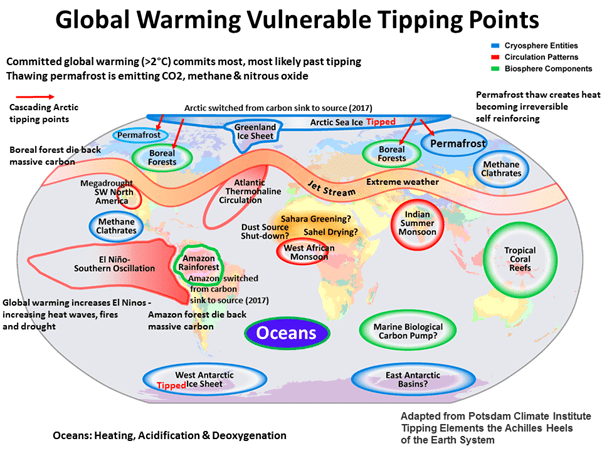
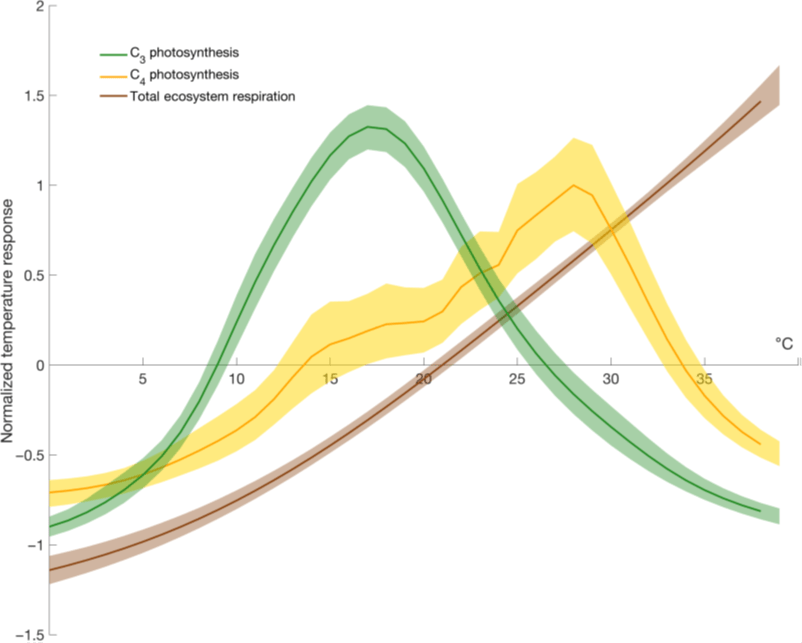
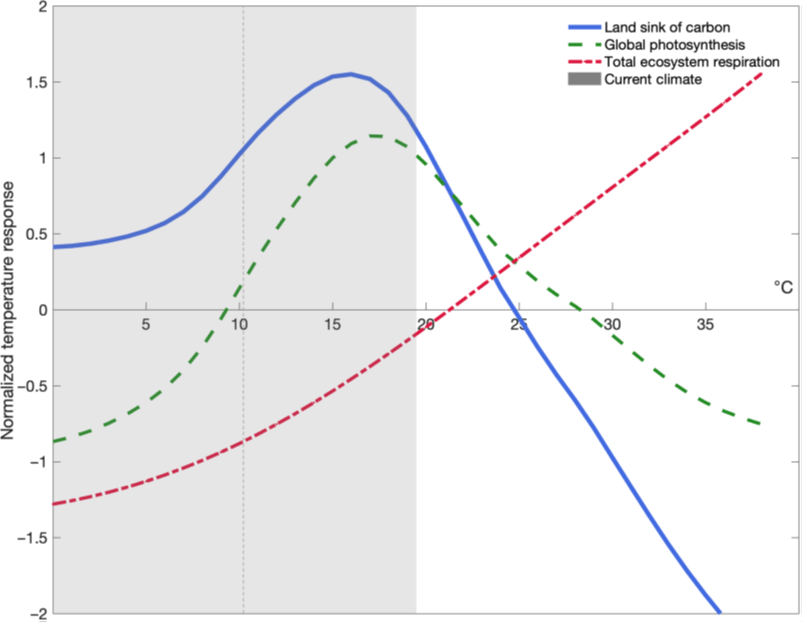
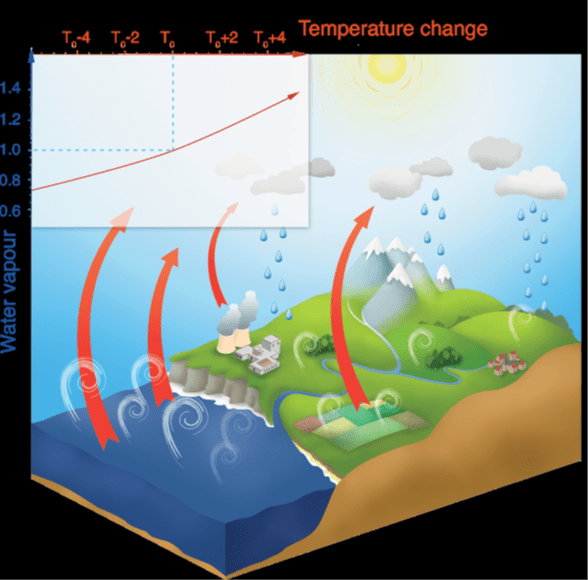
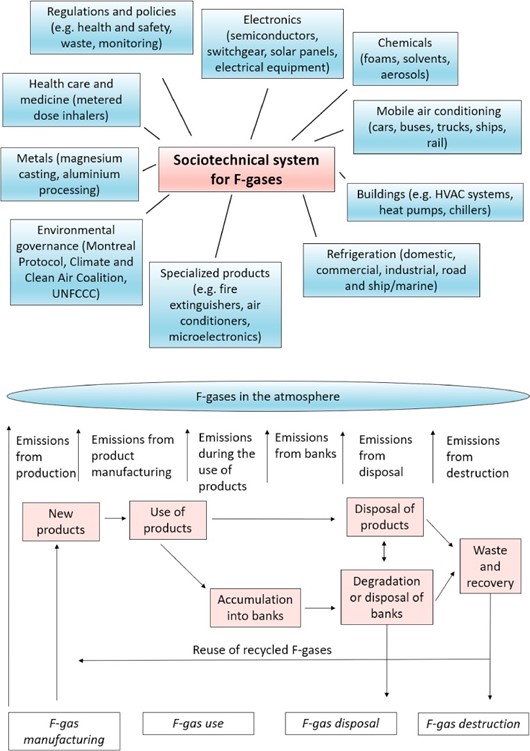

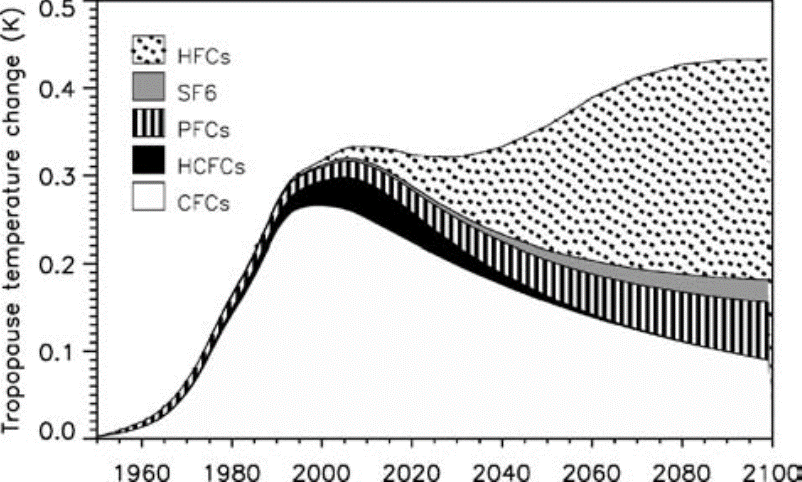
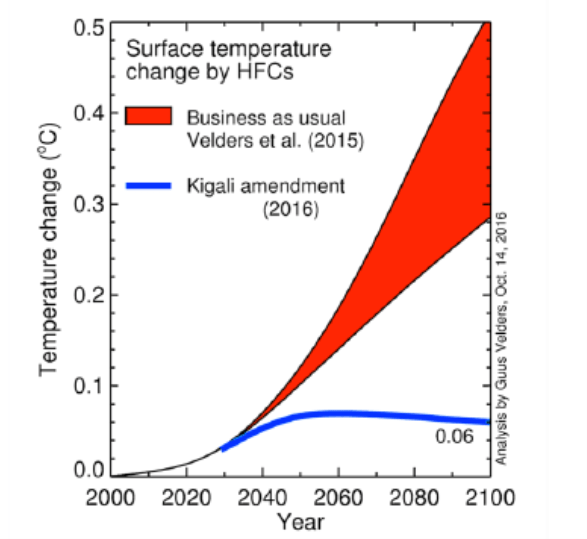
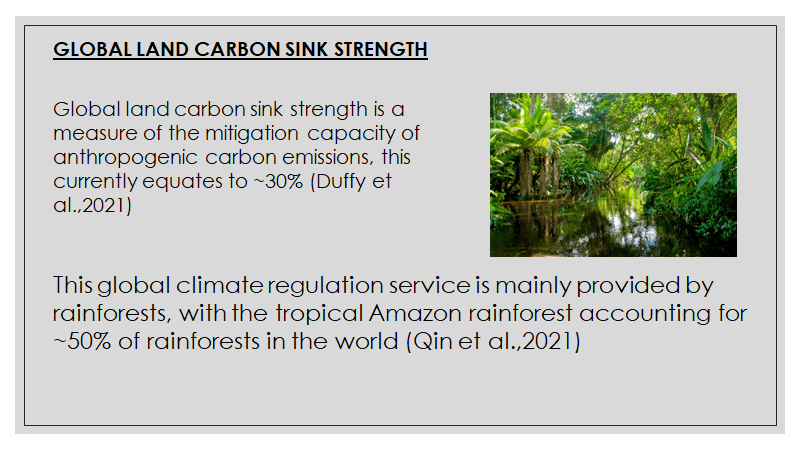
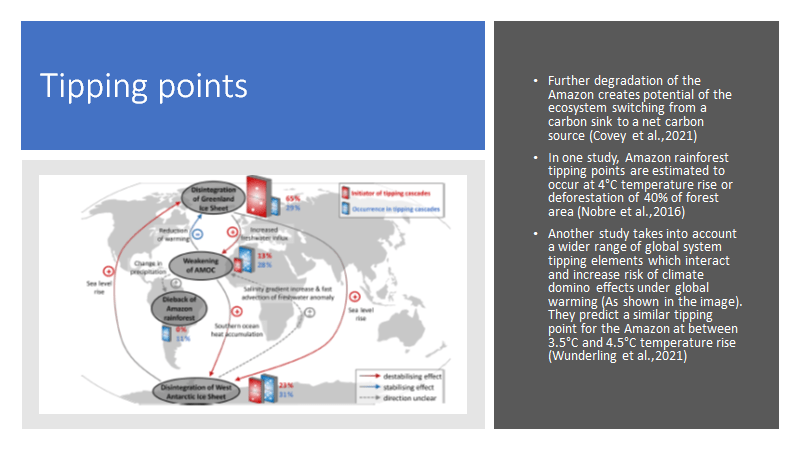

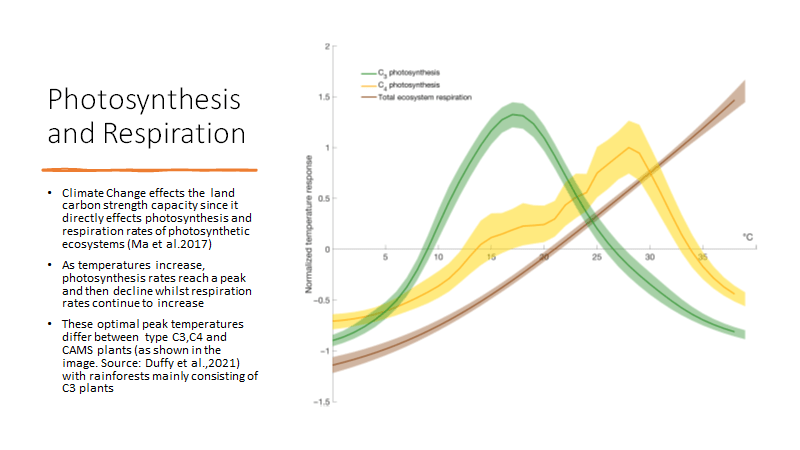
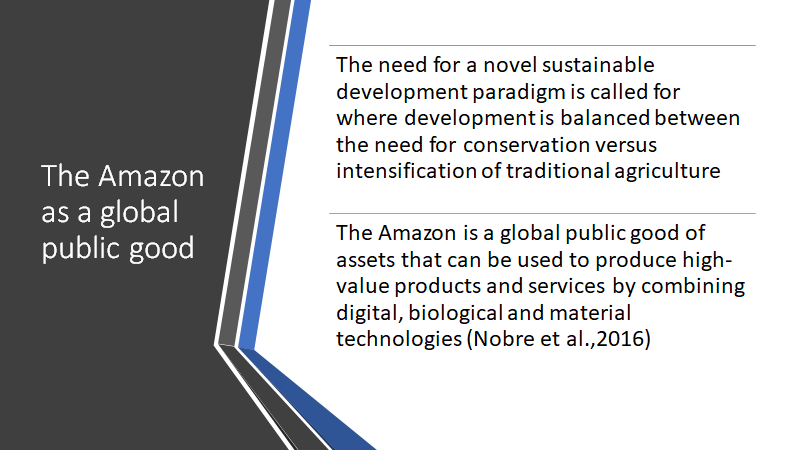
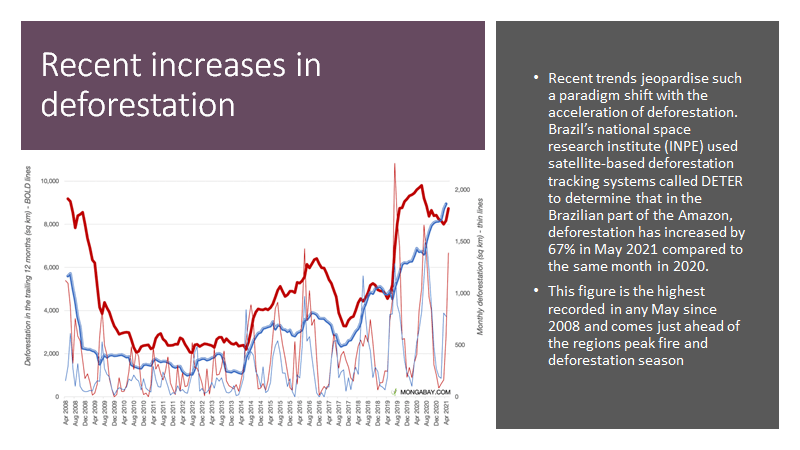
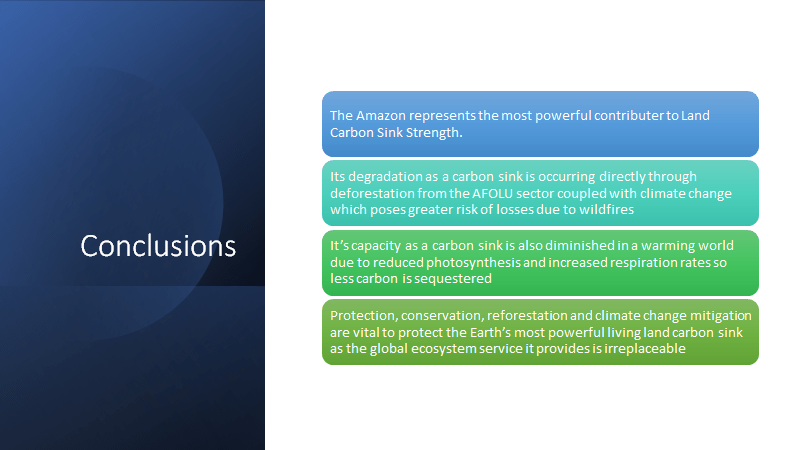
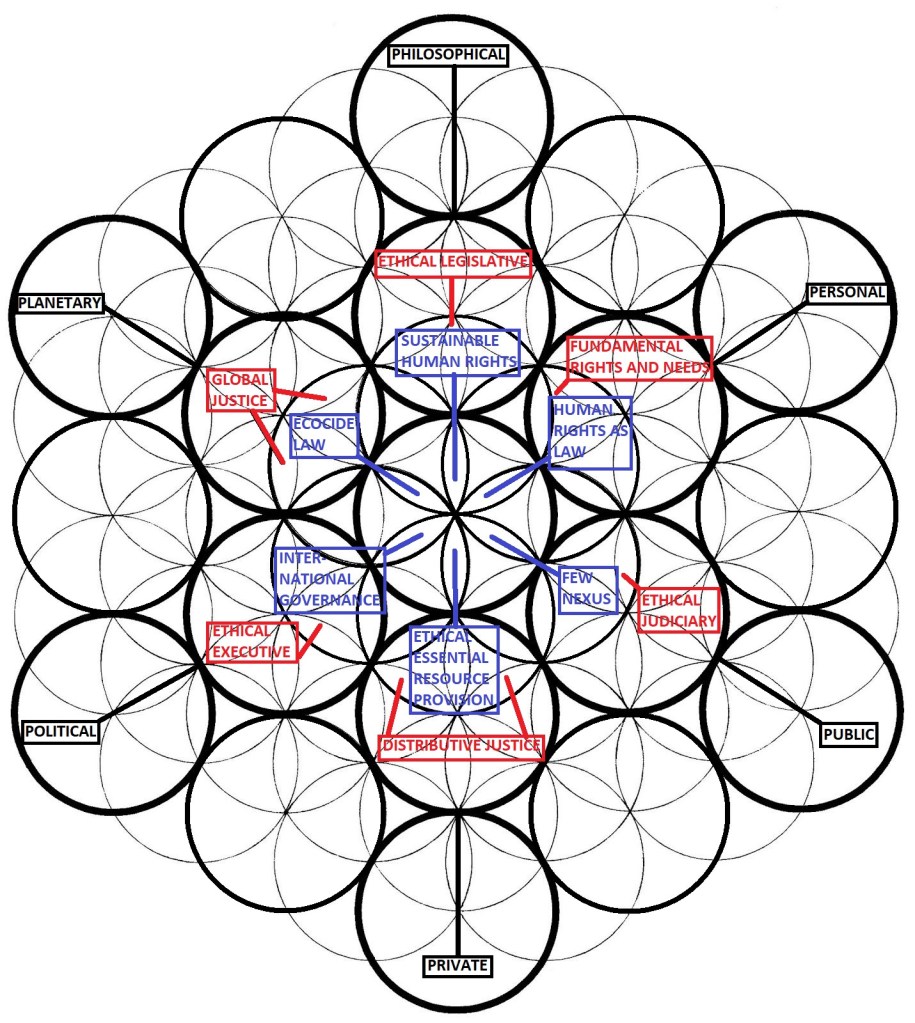
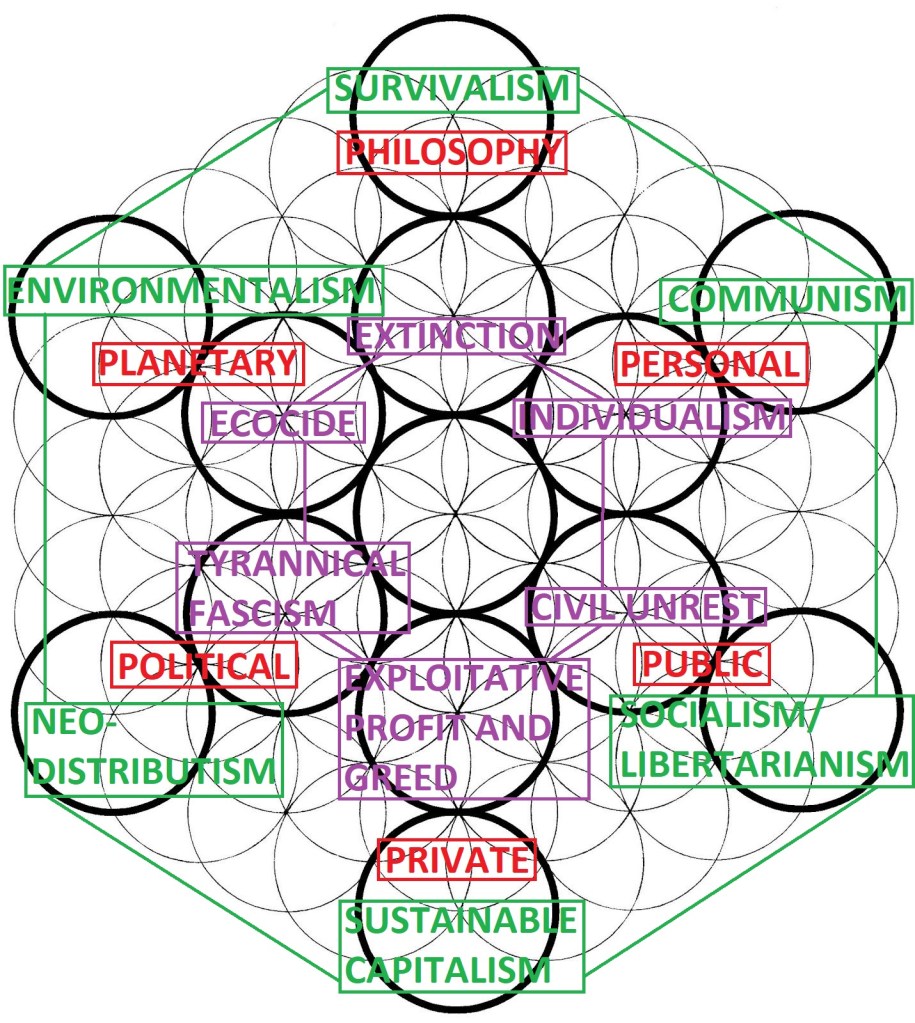
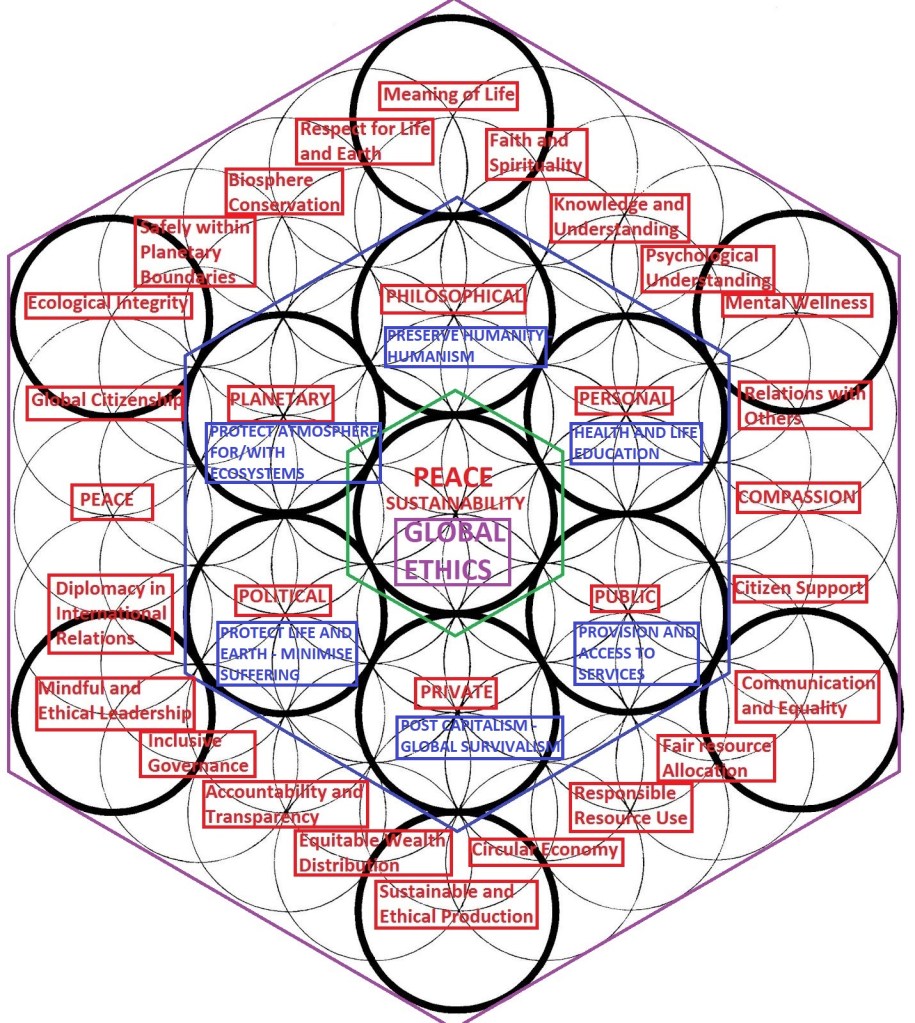
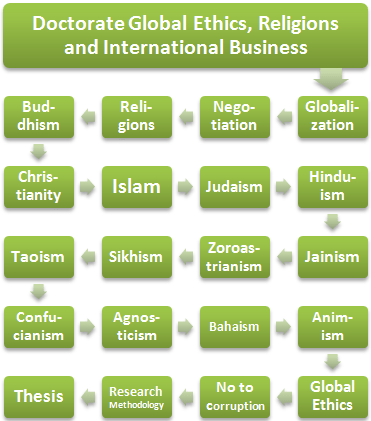
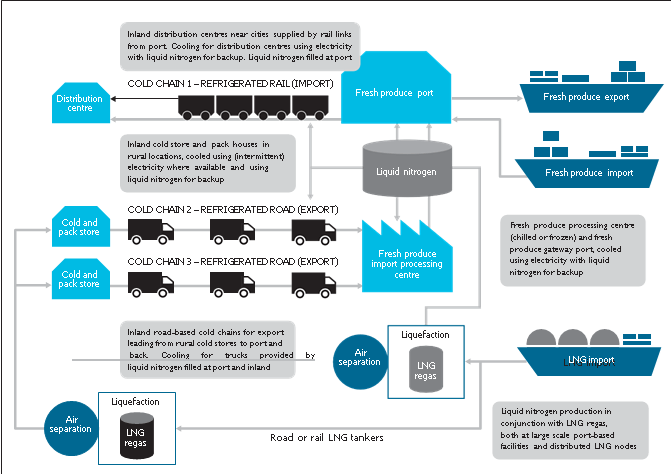
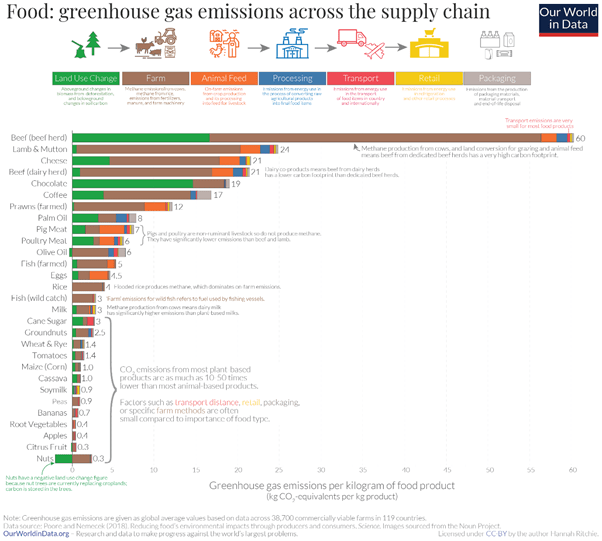
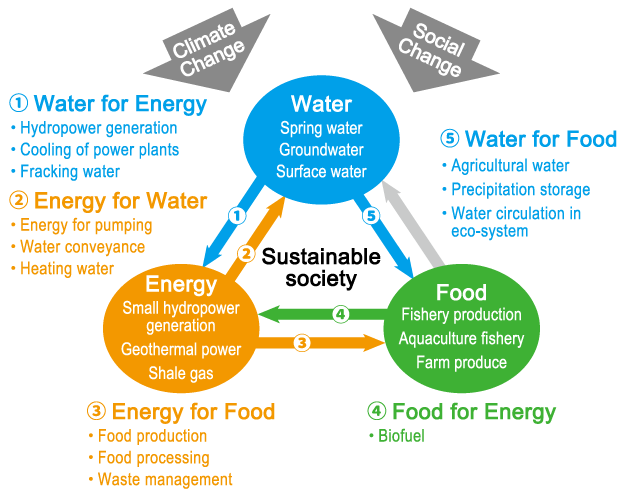
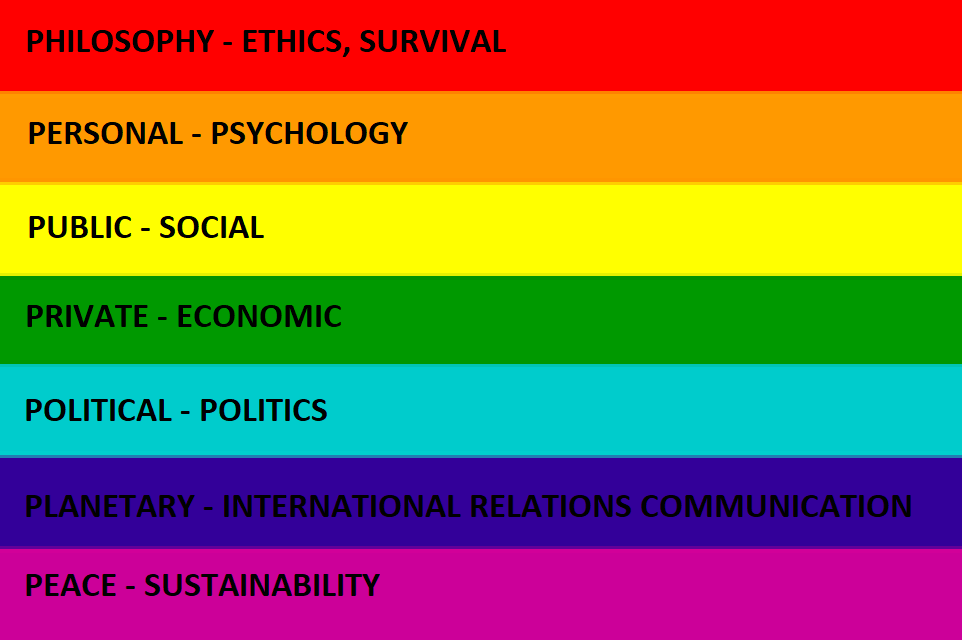
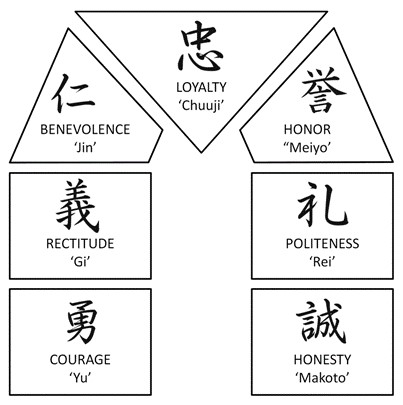
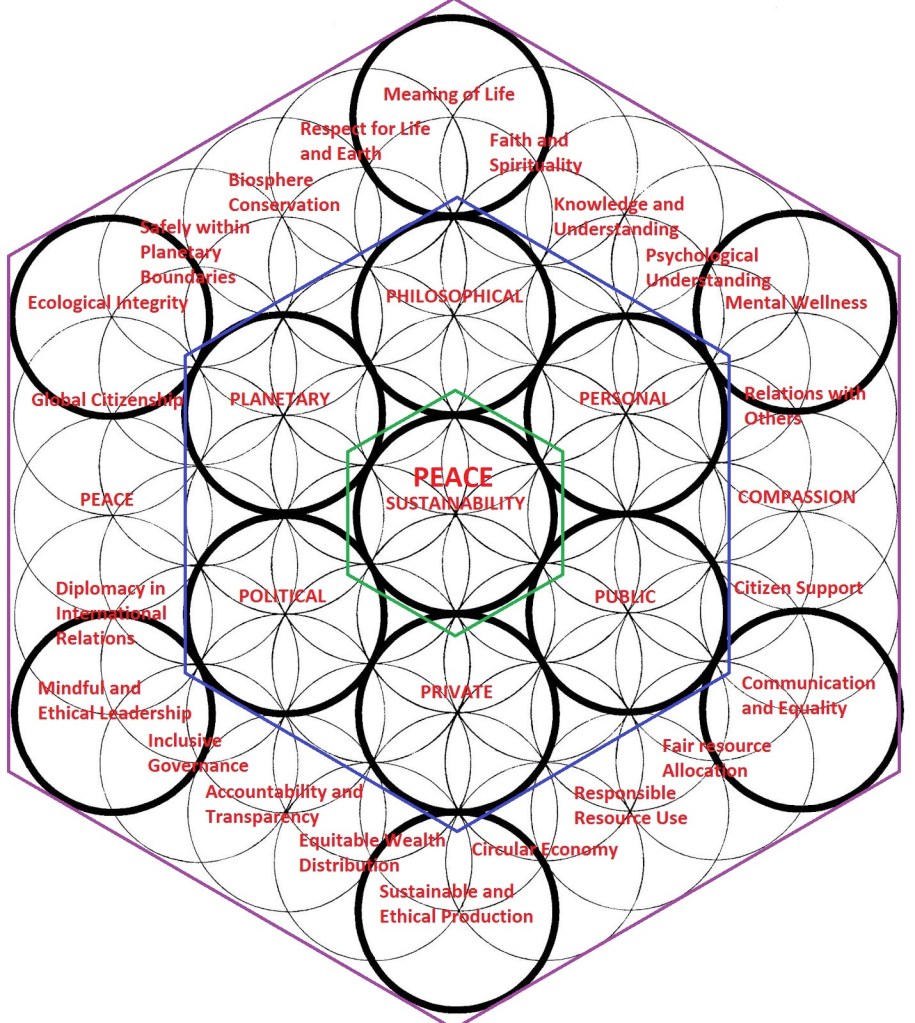

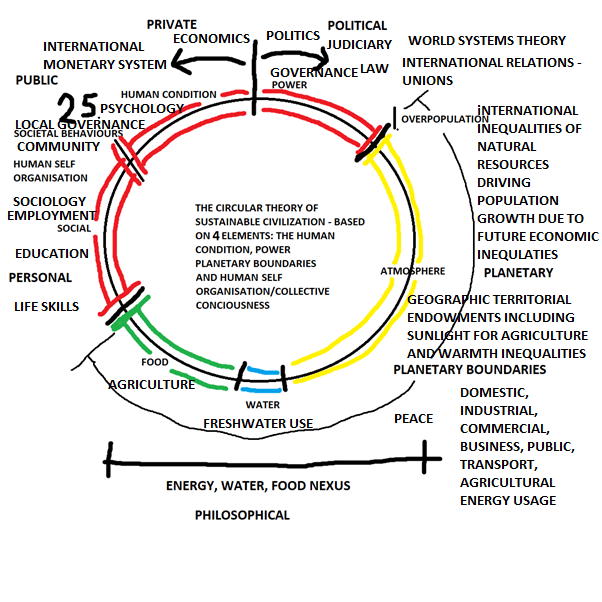
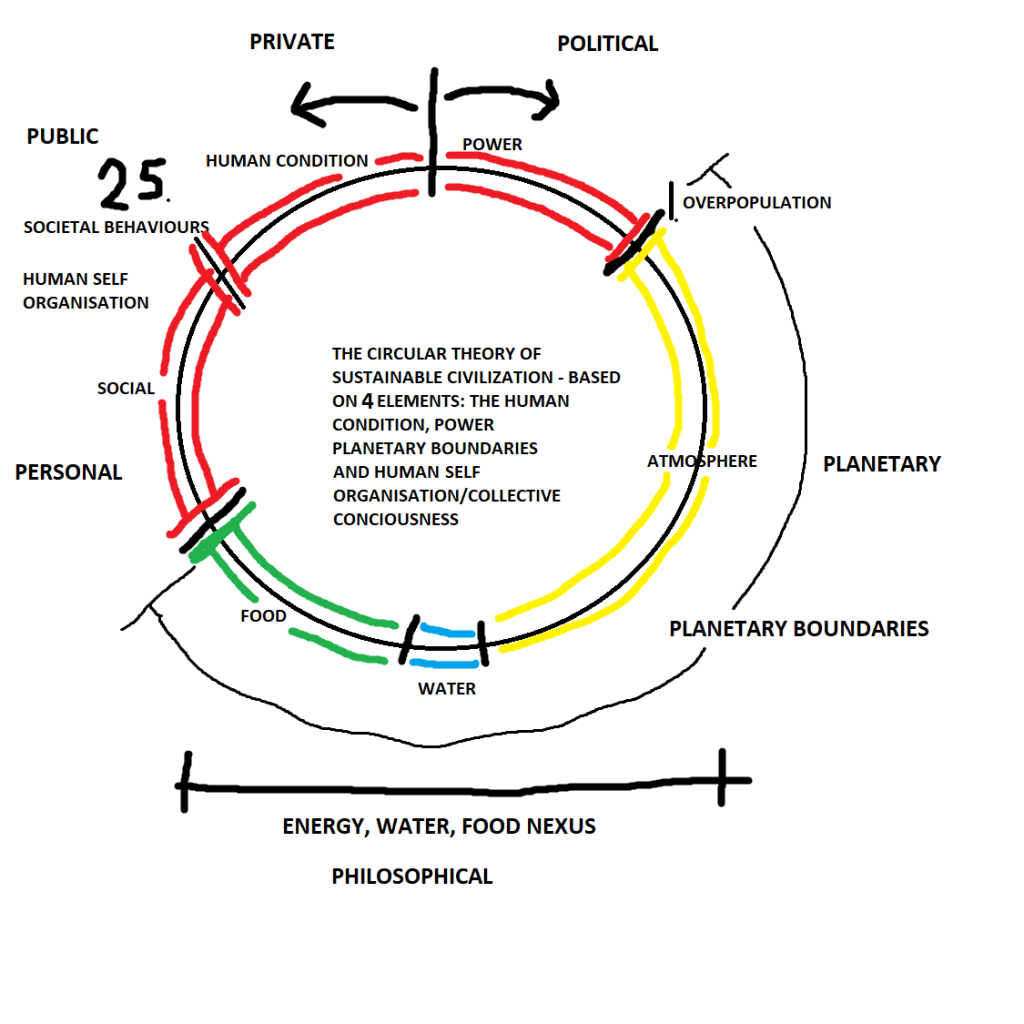
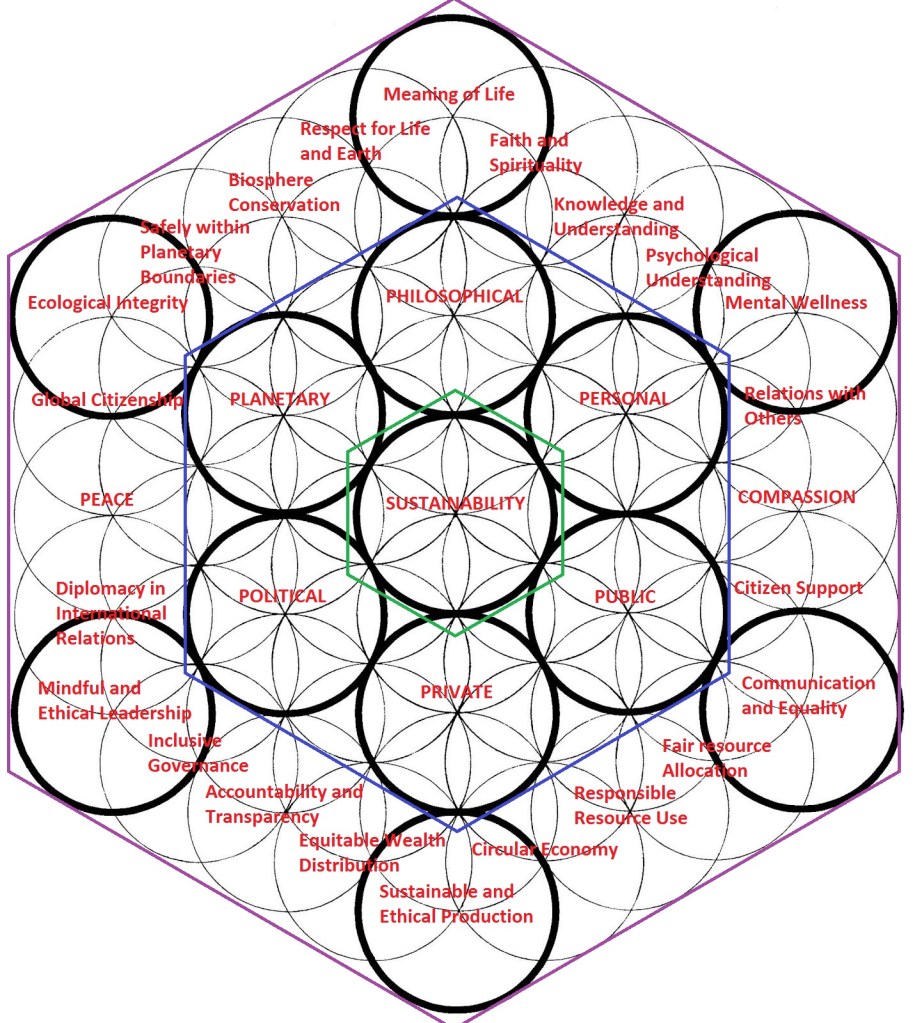
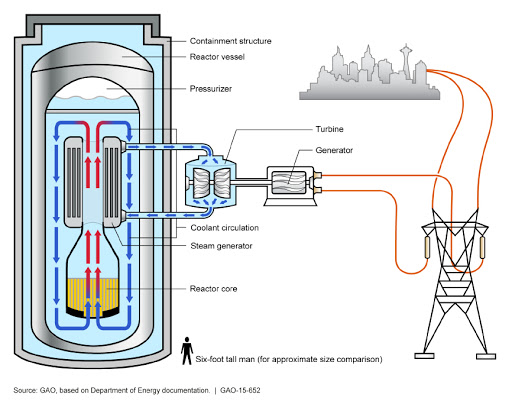
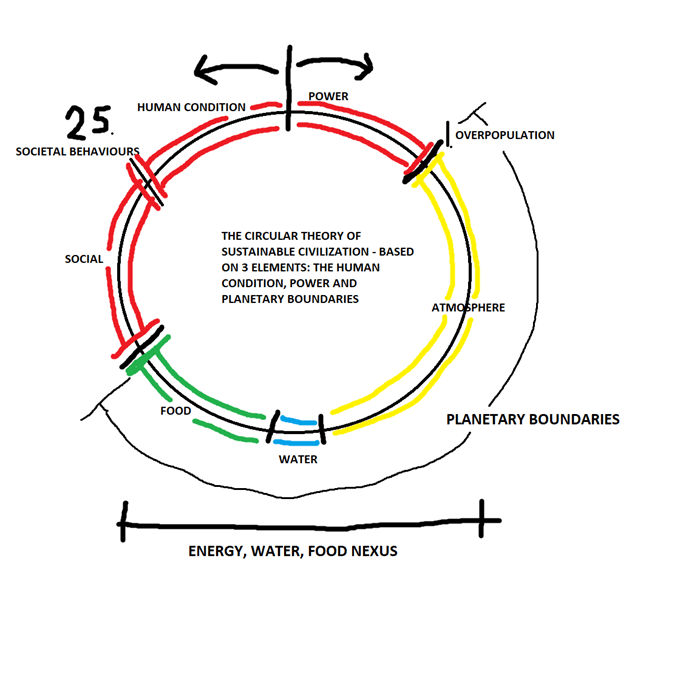
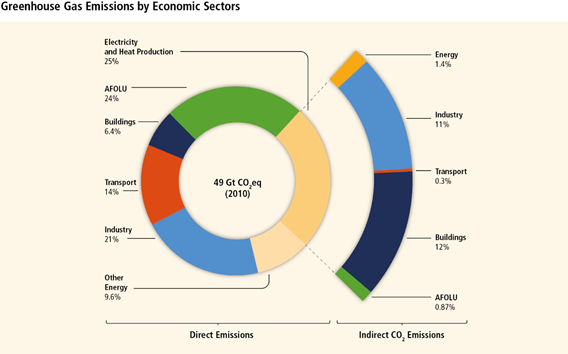
 The Planetarian mode of civilization allows sustainability